

Iran Rejects US Peace Talks Amid Escalating Tensions
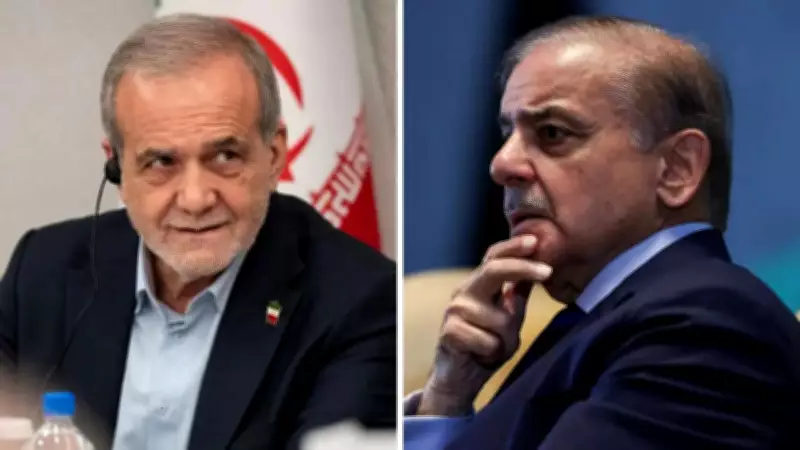
In a significant diplomatic development, Iranian President Masoud Pezeshkian engaged in a telephonic conversation with Pakistan's Prime Minister Shehbaz Sharif on Sunday. This exchange occurred shortly before Iran formally declined to participate in a second round of peace negotiations with the United States, scheduled to take place in Islamabad. The rejection marks a sharp escalation in regional tensions, coinciding with renewed naval confrontations in strategic waterways.
Allegations of US Bullying and Unreasonable Behavior
According to reports from the Associated Press, President Pezeshkian accused the United States of "bullying and unreasonable behavior" during previous negotiation sessions and ceasefire discussions. He further warned that Washington's actions and threatening rhetoric have fostered increased suspicion among Iranian officials regarding the sincerity of the United States. Pezeshkian expressed concerns that the US might replicate past patterns and "betray diplomacy," undermining trust in the peace process.
Official Statement from Iran
Iran's official news agency, IRNA, confirmed that there are "no plans" for further negotiations at this stage. The agency attributed the decision to what it described as excessive demands, shifting positions, and "constant contradictions" from Washington. Additionally, Tehran pointed to an ongoing naval blockade and recent maritime incidents as key obstacles to productive diplomacy. In a statement carried by Iranian media, the government asserted that the atmosphere surrounding the talks "cannot be considered positive" and highlighted that there is "no clear prospect of fruitful negotiations" under current conditions.

Dismissal of Reports and Media Game Allegations
IRNA also dismissed reports of an imminent second round of talks in Islamabad as "not true," characterizing them as part of a "media game" and pressure campaign orchestrated by the United States. This stance underscores Iran's firm rejection of external pressure and its commitment to addressing what it perceives as unfair tactics in international relations.
Background of Rising Maritime Tensions
The diplomatic breakdown unfolds against a backdrop of escalating maritime tensions in the Strait of Hormuz, a critical global energy corridor. Iranian state outlets emphasized that the US naval blockade of Iranian ports remains a central sticking point, with Tehran arguing it amounts to collective punishment. Tensions intensified further following reports that a US warship intercepted and damaged an Iranian-flagged cargo vessel attempting to evade inspection. Washington claimed the ship was already under sanctions, while Iran condemned the incident as "armed piracy" and issued warnings of potential retaliation.
Pakistani Mediation Efforts
Earlier, Pakistan's military chief, Asim Munir, traveled to Tehran carrying US proposals for the second round of peace talks. Munir served as one of two Pakistani mediators during the face-to-face discussions between the United States and Iran in Islamabad on April 11. An official described Munir's visit as "important" in efforts to bring both sides back to the negotiating table, noting that "the deal is almost done." The official added that Munir is uniquely positioned to convince Iranian officials due to a high level of trust.
Regional Diplomatic Activities
Simultaneously, Prime Minister Shehbaz Sharif and his foreign minister conducted a whirlwind diplomatic tour across regional allies, including Saudi Arabia, Qatar, and Turkey. This tour highlights Pakistan's active role in mediating regional conflicts and fostering dialogue amid growing international tensions.






