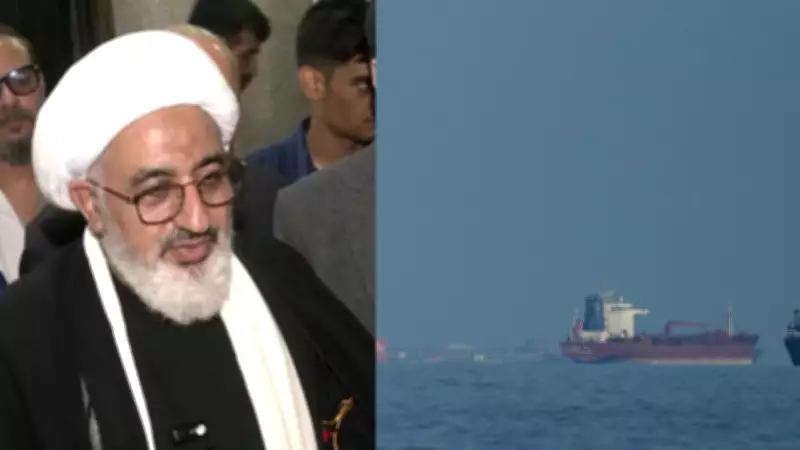
Iran Addresses Strait of Hormuz Shooting Incident Involving Indian Ships
Iran on Sunday responded to the shooting incident involving India-flagged vessels in the Strait of Hormuz, with its top representative in India highlighting the strong relationship between the two nations and advocating for peace amidst escalating regional tensions.
Iranian Representative's Statement on Bilateral Ties
Dr. Abdul Majid Hakeem Ilahi, the representative of Iran's Supreme Leader in India, stated, "The relationship between Iran and India is very strong, and I don't know anything about this event which you mentioned. We hope that it will be okay and it will be solved." He further emphasized a desire for peace, adding, "We don't want this war. We want peace, and we hope that the other side will also follow peace so that we can have a peaceful area."
Background of the Incident and India's Response
This statement follows India lodging a strong protest after two India-flagged ships, the Sanmar Herald and Jag Arnav, were fired upon while transiting the Strait of Hormuz. The vessels, carrying approximately 2 million barrels of Iraqi crude, were forced to reverse course mid-journey. Although reported safe, the incident heightened tensions between the two countries.

The Ministry of External Affairs summoned Iranian envoy Mohammad Fathali, urging Tehran to ensure safe passage for India-bound ships. Reports indicated that multiple vessels, including Greek tankers, also turned back after gunfire, as Iran announced the complete closure of the Strait of Hormuz less than 24 hours after declaring it open, citing a US blockade as the reason.
Implications for Regional Stability
The incident underscores the volatile situation in the Strait of Hormuz, a critical global oil transit route. Key points include:
- Diplomatic Strain: The shooting has tested Iran-India relations, with India demanding immediate action to secure maritime safety.
- Economic Impact: Disruptions in the Strait of Hormuz could affect global oil supplies, given its strategic importance for energy shipments.
- Regional Tensions: Iran's rapid policy shift on the strait's status reflects broader geopolitical conflicts, particularly with the US, influencing stability in the Middle East.
As both nations navigate this crisis, the call for peace by Iranian officials aims to de-escalate tensions, but ongoing incidents highlight the need for robust diplomatic and security measures to protect international shipping lanes.