

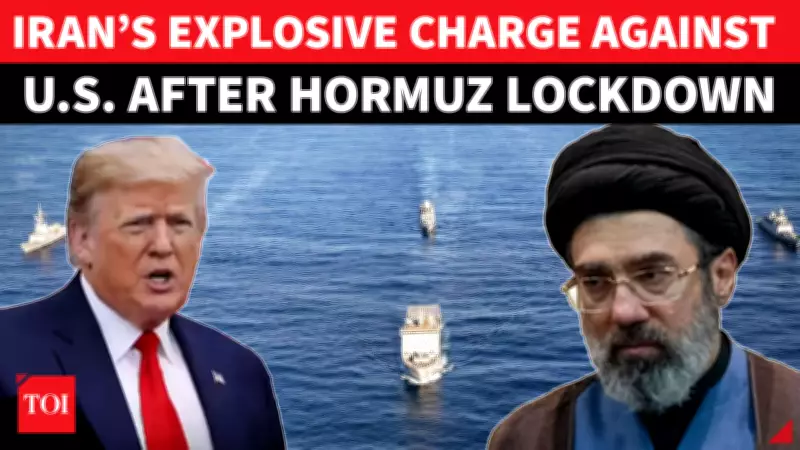
Iran Threatens 'Deadly Strike' Against Trump, Accuses U.S. of 'Deceit' Amid Heightened Tensions
In a dramatic escalation of geopolitical friction, Iran has issued a stark warning of a 'deadly strike' targeting former U.S. President Donald Trump, while simultaneously condemning American 'deceit' during ongoing diplomatic discussions. This provocative declaration comes as Tehran intensifies its grip on the Strait of Hormuz, a critical maritime chokepoint for global oil shipments, directly attributing these measures to perceived U.S. non-compliance and disruptive regional behavior.
Strait of Hormuz Control Tightened in Response to U.S. Actions
Iranian officials have explicitly linked their decision to reinforce control over the Strait of Hormuz to what they describe as continued American provocations. Ebrahim Azizi, a prominent Iranian figure, stated that recent maritime security enhancements are a 'direct result of American behaviour', emphasizing that Tehran will manage the strategic waterway based solely on its own national requirements and security imperatives.
This move underscores Iran's assertive posture in the region, with military authorities, including the Khatam al-Anbiya Central Command, maintaining rigorous oversight of the strait. Officials have reiterated that the waterway remains under Iran's 'complete and intelligent control', a claim that fuels competing narratives over maritime security amid heightened international tensions.

Background of Escalating U.S.-Iran Confrontation
The threats and accusations emerge against a backdrop of escalating confrontations between Iran and the United States, particularly during the Trump administration, which pursued a 'maximum pressure' campaign against Tehran. Recent developments include:
- Iran's deployment of new missile systems, raising alarms in Washington.
- Incidents involving the Islamic Revolutionary Guard Corps (IRGC) and vessels in the Hormuz region.
- U.S. naval movements, such as the deployment of aircraft carriers to the Middle East.
These actions have created a volatile environment, with both sides exchanging threats and military posturing. Iranian officials, including Mojtaba Khamenei, have warned the U.S. of 'new defeats', while figures like Ghalibaf have threatened to choke the Strait of Hormuz in response to American naval blockades.
Global Implications and Regional Stability
The situation poses significant risks to global energy security and regional stability. The Strait of Hormuz is a vital conduit for approximately one-fifth of the world's oil supply, and any disruption could trigger widespread economic repercussions. International observers are closely monitoring the standoff, as it involves:
- Potential military clashes that could draw in other global powers.
- Impacts on diplomatic efforts to revive nuclear agreements.
- Broader implications for Middle Eastern geopolitics and alliances.
As tensions surge, the world watches anxiously, with the threat of a 'deadly strike' against a former U.S. president adding a personal and highly charged dimension to an already precarious situation. The outcome of this confrontation could reshape international relations and security dynamics in the Gulf region for years to come.






