Iran and US Report Progress in Nuclear Talks, But Path to Agreement Remains Long
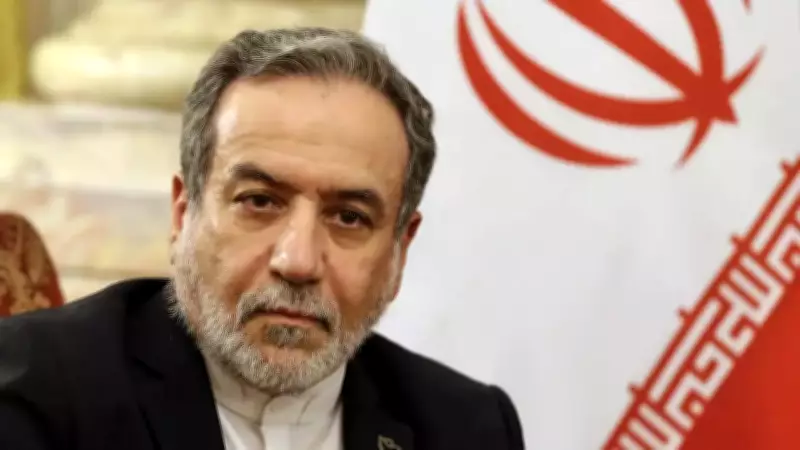
Iran and the United States have reportedly reached an understanding on the primary "guiding principles" during a second round of nuclear negotiations held in Geneva. However, significant work remains before any formal agreement can be finalized, according to statements from Iranian Foreign Minister Abbas Araqchi on Tuesday.
The progress does not mean an agreement will be reached soon, but the path has started, Araqchi told Iranian media following the conclusion of the talks. He emphasized that while movement has been made, the process is far from complete, with negotiations expected to continue in the coming weeks.
Heightened Tensions in the Gulf Amid Negotiations
The discussions took place against a backdrop of escalating tensions in the Gulf region. As the talks commenced, Iranian state media announced that parts of the Strait of Hormuz would be temporarily closed for several hours due to "security precautions." This closure coincided with military drills conducted by Iran's elite Revolutionary Guards.

The Strait of Hormuz is a critical global oil transit route, through which approximately one-fifth of the world's crude oil supply passes. Tehran has previously issued warnings that it could shut the waterway to commercial shipping if attacked, a move that could severely disrupt global energy markets and trigger economic repercussions worldwide.
US Military Presence and Political Stances
The United States has deployed a battle force to the Middle East to pressure Tehran into making concessions during the nuclear talks. This military posture underscores the high-stakes nature of the negotiations. US President Donald Trump has publicly stated that "regime change" in Tehran might be the optimal outcome, reflecting a hardline approach.
In response, Iran's Supreme Leader Ali Khamenei asserted on Tuesday that any US attempts to depose his government would inevitably fail. This exchange highlights the deep-seated political animosities that complicate the diplomatic process.
Key Participants and Mediation Efforts
According to sources briefed on the matter, US envoy Steve Witkoff and Jared Kushner participated in the Geneva discussions. The talks were mediated by Oman, which has historically played a role in facilitating dialogue between the two nations. The involvement of high-profile US officials indicates the importance Washington places on these negotiations.
While both sides have acknowledged some movement in the talks, officials from all parties have made it clear that no final deal is imminent. The complexity of the issues at hand, combined with the volatile regional dynamics, suggests that reaching a comprehensive agreement will require sustained effort and compromise.
The situation remains fluid, with the potential for further developments as negotiations proceed. Observers are closely monitoring the talks, recognizing their significance for regional stability and global security.