

Iran's 'No Nuclear Weapons' Proposal Rejected by US Over Technical Misunderstanding
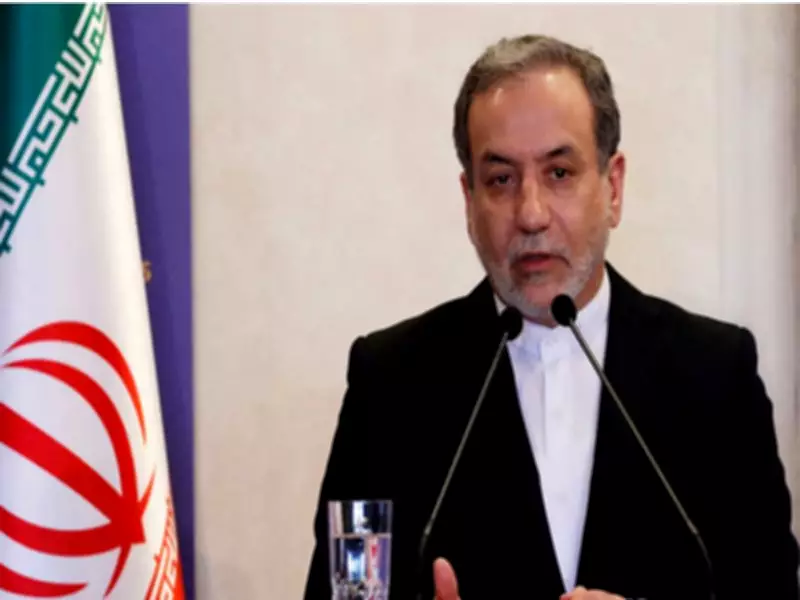
In a recent revelation, former Iranian diplomat Seyed Abbas Araghchi has asserted that the United States dismissed Iran's proposal to forgo nuclear weapons because American officials did not fully comprehend the technical details involved. This statement sheds light on the persistent challenges in nuclear negotiations between the two nations, which have been marked by diplomatic stalemates and escalating tensions.
Background of the Proposal
According to Araghchi, Iran presented a comprehensive plan aimed at ensuring it would not develop nuclear weapons, as part of broader efforts to address international concerns over its nuclear program. The proposal was designed to include specific technical safeguards and verification mechanisms to prevent weaponization. However, Araghchi claims that the US response was negative, primarily due to a lack of understanding of these intricate technical aspects.
Key Points from Araghchi's Statement- The proposal outlined Iran's commitment to refrain from nuclear weapons development.
- It included detailed technical provisions for monitoring and compliance.
- US officials allegedly failed to grasp the complexity of these technical elements.
- This misunderstanding led to the rejection of the proposal, according to Araghchi.
Implications for US-Iran Relations
This incident underscores the deep-seated mistrust and communication gaps that have plagued US-Iran relations for decades. The rejection of the proposal, as described by Araghchi, highlights how technical nuances can become significant barriers in diplomatic negotiations, especially in sensitive areas like nuclear proliferation.

Moreover, this development comes amid ongoing international efforts to revive the Joint Comprehensive Plan of Action (JCPOA), commonly known as the Iran nuclear deal. The failure to address technical details effectively could further complicate these negotiations, potentially leading to renewed conflicts or sanctions.
Global Reactions and Future Prospects
The international community has been closely monitoring US-Iran interactions, given the global implications of Iran's nuclear program. Araghchi's comments have sparked discussions among policymakers and analysts about the need for improved technical dialogue and transparency in such high-stakes talks.
- Enhanced technical exchanges between experts from both sides could mitigate misunderstandings.
- Third-party mediation might be necessary to bridge gaps in comprehension.
- Future proposals should prioritize clarity and detailed explanations to avoid similar rejections.
In conclusion, Seyed Abbas Araghchi's assertion that the US rejected Iran's 'no nuclear weapons' proposal due to a lack of technical understanding highlights a critical issue in nuclear diplomacy. As both nations navigate complex negotiations, addressing these technical barriers will be essential for achieving sustainable agreements and reducing regional tensions.






