

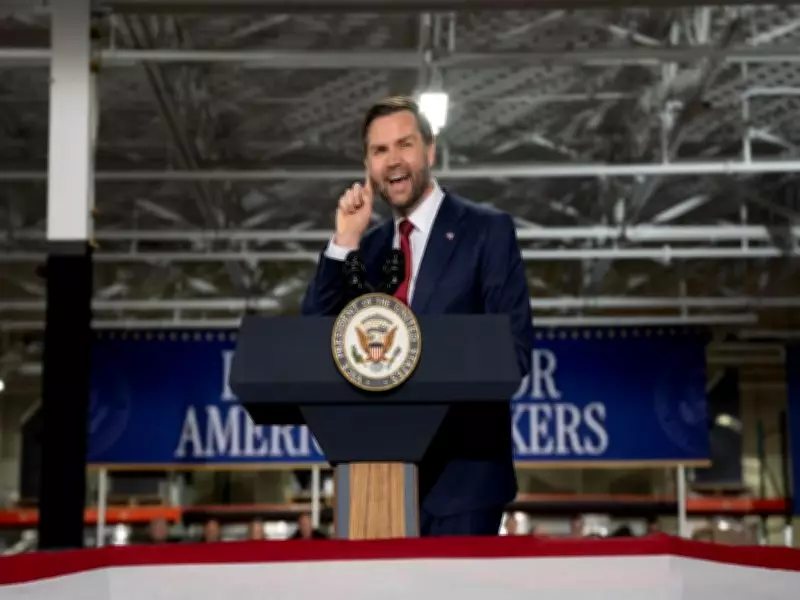
Iran Requests JD Vance as Lead Negotiator in US Talks, Sidelines Kushner and Witkoff
In a significant diplomatic development, Iranian representatives have communicated to the Trump administration their desire to re-engage in negotiations specifically with US Vice President JD Vance, while explicitly excluding US special envoy Steve Witkoff and President Donald Trump's son-in-law Jared Kushner from the process. This preference was reported by CNN, citing informed sources familiar with the discussions.
Trust Deficit Drives Iran's Stance on Negotiators
The report highlights that Iran's reluctance to involve Witkoff and Kushner stems from a profound deficit of trust, which emerged following the collapse of previous negotiations. This breakdown occurred prior to military actions launched by Israel and the United States, creating a contentious backdrop for any renewed diplomatic efforts.
In contrast, Vice President Vance is viewed by Iranian officials as more sympathetic to ending the ongoing conflict. Sources indicate that Vance is perceived to be intent on wrapping up the war, setting him apart from other key figures in the US diplomatic team, including Secretary of State Marco Rubio.

Trump Affirms Involvement of Entire Diplomatic Team
Earlier this week, President Trump addressed the negotiations, confirming the participation of all senior members of his administration. He stated, "JD (Vance) is involved. Marco is involved. Jared Kushner is involved. Steve Witkoff is involved, and I am involved." Trump further asserted that the United States has achieved victory in the war, claiming that Iran's naval and air capabilities have been completely decimated.
White House press secretary Karoline Leavitt reinforced this position, telling CNN that President Trump alone determines who negotiates on behalf of the United States. She reiterated that Vice President Vance, Secretary Rubio, Special Envoy Witkoff, and Mr. Kushner will all play roles in the process, underscoring the administration's unified approach.
Pakistan Emerges as Potential Mediator in US-Iran Standoff
Adding another layer to the complex diplomatic landscape, President Trump has sparked speculation about a potential mediating role for Pakistan in the Washington-Tehran standoff. This follows his sharing of an official statement from Pakistani Prime Minister Shehbaz Sharif, who expressed Islamabad's readiness to facilitate a diplomatic resolution.
In a post on X, Prime Minister Sharif stated that Pakistan is "ready and honoured" to moderate meaningful and conclusive talks between the United States and Iran, provided both parties mutually agree to such mediation. This development suggests a broadening of international efforts to address the crisis, with Pakistan positioning itself as a neutral intermediary in the region.
The evolving dynamics underscore the delicate balance of trust and strategy in US-Iran relations, as both sides navigate a path toward potential resolution amid ongoing tensions and military assessments.






