

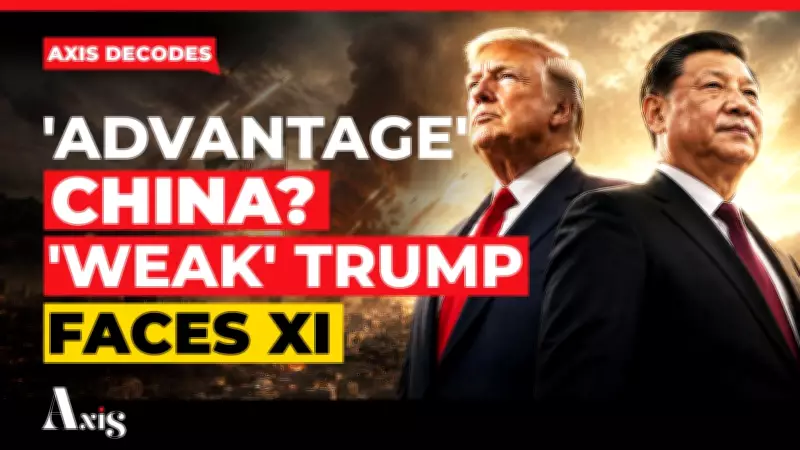
The upcoming meeting between Donald Trump and Xi Jinping is not just another diplomatic engagement; it is a pivotal moment that could reshape global power equations. As Trump lands in Beijing accompanied by top CEOs from Wall Street and Silicon Valley, his aim is to project economic dominance and revive US-China engagement. However, the ongoing Iran war is complicating this strategy significantly.
China's Hidden Leverage
China maintains strong ties with Tehran, and with global energy routes under stress due to the conflict, Beijing enters the talks with hidden leverage. The key question is whether Trump is negotiating from a position of strength or under pressure. Behind the optics of billion-dollar deals and corporate diplomacy lies a deeper strategic reality. China is aware that the US needs stability in West Asia, and this changes the balance at the negotiating table.
Implications for India
For India, this meeting carries serious implications. A US-China reset could weaken India's position in global supply chains and slow down investment inflows. As the world watches Beijing, the real story may be unfolding far from the cameras. The outcome of these talks could have far-reaching consequences for trade, power dynamics, and the global order.

In related developments, reports have emerged about Pakistan's alleged double cross involving Iran military aircraft parked at Nur Khan Air Base. Meanwhile, Turkey's deportation of a Dawood aide signals a potential reset with India. India's stance at the UN, linking math, culture, and power, breaks the narrative. Other stories include Nepal's objection to the Kailash Yatra, India's nuclear history, strategic chokepoints like Hormuz and Malacca, and India's silent oil masterstroke with UAE and Fujairah.






