Iran's Escalating War Threats Amid US Tensions Lead to SGPC Invitation for Khamenei Mourning
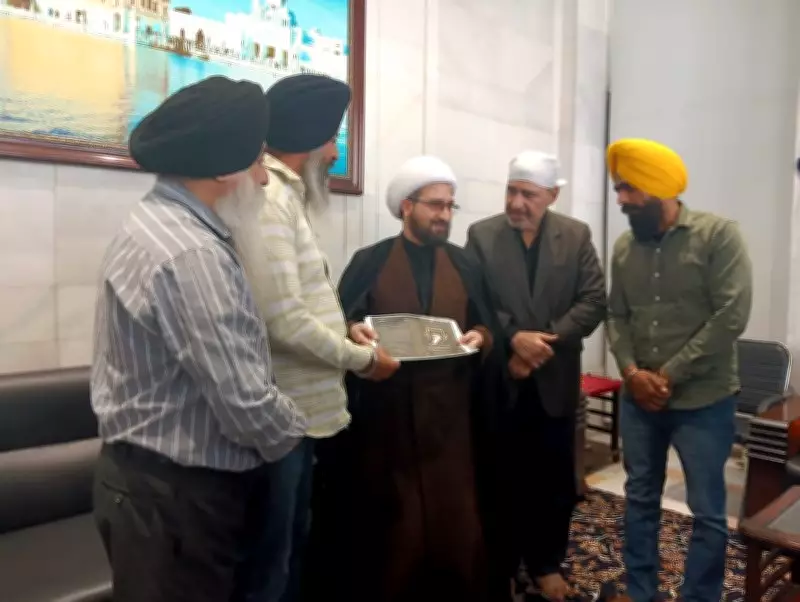
In a significant diplomatic development amidst heightened geopolitical tensions, Iran has extended an invitation to the Shiromani Gurdwara Parbandhak Committee (SGPC) to participate in a mourning ceremony for Supreme Leader Ayatollah Ali Khamenei. This move comes as Iran intensifies its war threats against the United States, escalating long-standing US-Iran tensions that have been simmering for years.
Background of US-Iran Tensions and Iran's War Threats
The invitation to the SGPC, a key religious body based in Amritsar, India, is set against a backdrop of increasingly aggressive rhetoric from Iran. Iranian officials have recently ramped up warnings of potential military conflict with the US, citing ongoing disputes over nuclear programs, regional influence, and economic sanctions. These tensions have been a persistent feature of international relations, with both nations engaging in a war of words and occasional skirmishes.
Experts note that Iran's intensified war threats are likely a strategic maneuver to assert its sovereignty and deter further US pressure. The situation has drawn global attention, with many fearing that any miscalculation could lead to a broader conflict in the Middle East.

SGPC's Role and the Invitation Details
The SGPC, which manages Sikh shrines and religious affairs in Punjab, has confirmed receiving the invitation to attend the mourning ceremony for Ayatollah Ali Khamenei. This event is part of traditional Shiite mourning practices, but the timing is particularly notable given the current geopolitical climate.
Sources indicate that the invitation was delivered through diplomatic channels, emphasizing Iran's desire to foster interfaith dialogue and strengthen ties with religious communities abroad. The SGPC is expected to send a delegation, though details on the composition and schedule are still being finalized.
Implications for Diplomacy and Regional Stability
This invitation raises questions about Iran's diplomatic outreach during a period of heightened tension. By engaging with the SGPC, Iran may be aiming to:
- Build international solidarity among religious groups
- Counter negative perceptions amid US-led criticisms
- Enhance its soft power through cultural and religious exchanges
However, analysts warn that such moves could be viewed as provocative by the US, potentially exacerbating tensions. The involvement of the SGPC, a non-political religious entity, adds a unique dimension to the situation, as it blurs the lines between religious diplomacy and geopolitical maneuvering.
Reactions and Future Outlook
Reactions to the invitation have been mixed. Some see it as a positive step towards interfaith harmony, while others express concern over the SGPC's involvement in a politically charged context. The SGPC has stated that its participation will focus solely on religious aspects, avoiding any political statements.
Looking ahead, the situation remains fluid. If Iran's war threats materialize into actual conflict, it could have far-reaching consequences for global stability. Meanwhile, the SGPC's attendance at the mourning ceremony will be closely watched as a barometer of Iran's diplomatic strategies and the broader dynamics of US-Iran relations.