

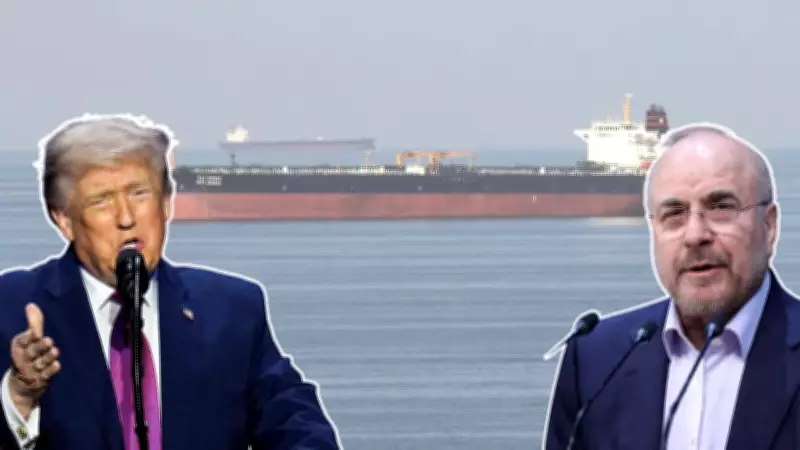
Iran Issues Defiant Warning as US Ceasefire Deadline Approaches
Iran has adopted a defiant stance as the ceasefire with the United States nears its expiration, explicitly warning that it is prepared to escalate hostilities if diplomatic talks collapse. Tehran has firmly stated that it will not engage in negotiations under pressure, even as Washington continues to enforce a strict naval blockade and pushes aggressively for a new agreement.
Parliament Speaker Accuses US of Pressure Tactics
Iran's parliament speaker, Ghalibaf, has accused the United States of employing coercive tactics to force capitulation. "By imposing a blockade and breaching the ceasefire, Trump seeks to turn this negotiating table into a table of surrender," he declared, adding emphatically, "We do not accept negotiations under the shadow of threat." These remarks underscore Tehran's resistance to what it perceives as American intimidation.
Ceasefire Nears Expiry Amid Tentative Talks
The comments emerge as a two-week ceasefire between the United States and Iran edges toward its deadline, with both sides exchanging stern warnings. Fresh negotiations are tentatively planned in Pakistan, where a US delegation is expected to travel to Islamabad for a new round of discussions. However, Tehran has yet to confirm its participation, casting uncertainty over the prospects for a diplomatic breakthrough.

US Maintains Hard Line with Blockade and Warnings
Washington has maintained a hardline position, with President Trump insisting that the naval blockade of Iranian ports will remain in place until a deal is finalized. He claimed the measures are "absolutely destroying Iran," asserting that the country is losing hundreds of millions of dollars daily. Simultaneously, Trump struck a defiant tone on the battlefield, declaring that American forces were "winning" and warning that further escalation could follow if diplomacy fails.
Tensions Flare in the Strait of Hormuz
Tensions have been further inflamed by confrontations around the Strait of Hormuz, a critical global oil artery through which a significant share of the world's oil passes. Iran has intermittently restricted traffic through this vital waterway, while US forces have intercepted vessels accused of violating the blockade. These incidents have rattled global markets, pushing oil prices sharply higher amid fears of prolonged disruption to energy supplies.
Regional and International Concerns Mount
Beyond the immediate US-Iran standoff, the wider region remains on edge. Fresh US-backed talks between Israel and Lebanon are set to resume, even as sporadic violence continues despite a separate ceasefire involving Hezbollah. Meanwhile, European leaders have urged restraint, with French President Emmanuel Macron calling actions by both sides around Hormuz "a mistake," highlighting international concerns over the escalating situation.
Decisive Days Ahead for Diplomacy and Conflict
With casualties mounting across multiple fronts and diplomatic efforts faltering, the coming days are widely seen as decisive. If negotiations fail to gain traction before the ceasefire expires, both Washington and Tehran appear poised to shift from brinkmanship back to open confrontation—a scenario that Iran now asserts it is newly prepared to fight, signaling a potential return to heightened conflict in the region.






