

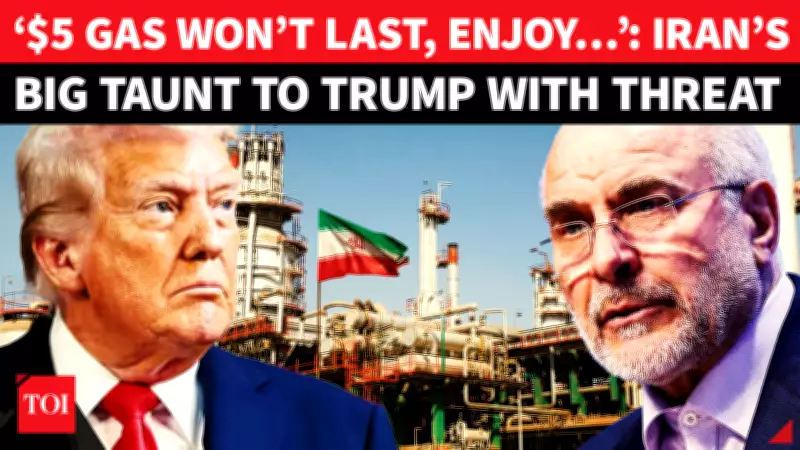
Iran Issues Stark Warning on Global Fuel Prices Amid US Naval Blockade Threat
Iran's Parliament Speaker Mohammad Bagher Ghalibaf has delivered a pointed warning to the United States, suggesting that American citizens could soon face significantly higher fuel costs if tensions continue to escalate in the critical Strait of Hormuz. This statement comes as the United States Central Command is actively preparing to enforce a comprehensive maritime blockade specifically targeting shipping vessels linked to Iran, following the collapse of recent diplomatic negotiations.
Geopolitical Standoff Intensifies Over Nuclear Demands
The warning from Tehran underscores a deepening geopolitical crisis, with both Iran and the United States maintaining firm and uncompromising positions on nuclear-related demands. The failed talks have left diplomatic channels strained, pushing the region closer to a potential confrontation. The Strait of Hormuz, a vital chokepoint for global oil shipments, is now at the center of this escalating dispute, raising alarms across international energy markets.
Implications for Global Energy Markets and Oil Prices
The intensifying standoff poses a severe threat to global energy stability, with analysts warning of sharp and immediate increases in oil prices. The geopolitical uncertainty surrounding the strait, through which approximately one-fifth of the world's oil passes, has already begun to inject volatility into financial markets. Any disruption to shipping lanes could trigger a supply shock, leading to widespread economic repercussions far beyond the Middle East.

Key developments in the crisis include:
- Iran's strategic warning highlighting fuel prices near the White House as a direct message to American policymakers and the public.
- The US military's readiness to implement a naval blockade, signaling a shift towards more assertive containment strategies.
- Persisting deadlock in nuclear negotiations, with both sides showing no signs of backing down from their core demands.
- Growing market anxiety as traders brace for potential supply disruptions that could drive crude prices to new highs.
This situation represents one of the most significant geopolitical flashpoints in recent years, with the potential to reshape global energy dynamics and international relations. The coming days will be crucial in determining whether diplomatic efforts can be revived or if military and economic pressures will further escalate, directly impacting consumers worldwide through higher energy costs.






