

Iran Clarifies Position on Strait of Hormuz Amid Escalating Regional Tensions
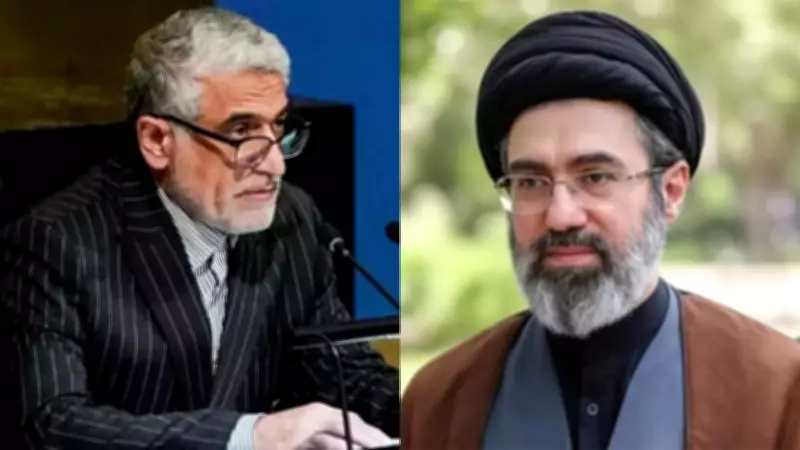
In a significant diplomatic statement, Iran's ambassador to the United Nations, Amir Saeid Iravani, has explicitly stated that Tehran does not intend to close the strategically vital Strait of Hormuz. This declaration appears to strike a more measured and diplomatic tone, coming shortly after remarks from Iran's newly appointed supreme leader, Mojtaba Khamenei, suggested the waterway could be leveraged as a strategic asset.
Ambassador's Assurance at UN Press Conference
Speaking to reporters at the United Nations headquarters on Thursday, Ambassador Iravani provided clear reassurances regarding the critical shipping route. According to Reuters, he emphasized, "We are not going to close the Strait of Hormuz." However, he firmly asserted Iran's sovereign rights, adding, "But it is our inherent right to preserve the peace and security in this waterway."
This statement was delivered during a prepared address read to journalists before a question-and-answer session. Iravani reiterated Iran's commitment to international maritime law, stating, "Iran fully respects and remains committed to the principle of freedom of navigation under the law of the sea."

Contrast with Supreme Leader's Earlier Remarks
The ambassador's comments directly follow earlier statements from Supreme Leader Mojtaba Khamenei, who had asserted on the same day that "the lever of blocking the Strait of Hormuz must continue to be used." This juxtaposition highlights the complex diplomatic balancing act Tehran is navigating amidst heightened regional hostilities.
Iravani placed blame for the escalating tensions squarely on the United States, arguing, "However, the current situation in the region, including in the Strait of Hormuz, is not the result of Iran's lawful exercise of its right of self-defense. Rather, it is the direct consequence of the destabilizing actions of the United States in launching aggression against Iran and undermining regional security."
Background of Regional Hostilities and Strategic Importance
The Strait of Hormuz is one of the world's most critical maritime chokepoints, through which approximately one-fifth of global oil consumption passes. The ambassador's clarification comes against a backdrop of:
- Ongoing hostilities involving Iran, Israel, and the United States
- Recent incidents including Saudi Arabia intercepting a drone headed toward the Shaybah oil field
- Israeli strikes targeting Hezbollah positions in Beirut
- A US refueling aircraft crash in western Iraq
- US temporary allowances for some Russian oil sales following Iranian threats
When questioned about remarks from US Treasury Secretary Scott Bessent regarding potential US Navy escorts through the strait, possibly with an international coalition, Iravani declined to provide a specific response, according to Reuters reporting.
Diplomatic Implications and Regional Stability
The ambassador's statements represent a careful diplomatic maneuver aimed at:
- Reassuring international shipping interests about continued access to the vital waterway
- Asserting Iran's sovereign rights to ensure its own security
- Maintaining strategic ambiguity about potential future actions
- Shifting responsibility for regional instability to the United States
This development occurs as the broader Middle East faces multiple overlapping crises, with the Strait of Hormuz remaining a potential flashpoint in international relations. The clarification from Iran's UN mission suggests a preference for diplomatic channels over immediate confrontation, while preserving Tehran's right to respond to perceived threats to its security interests.






