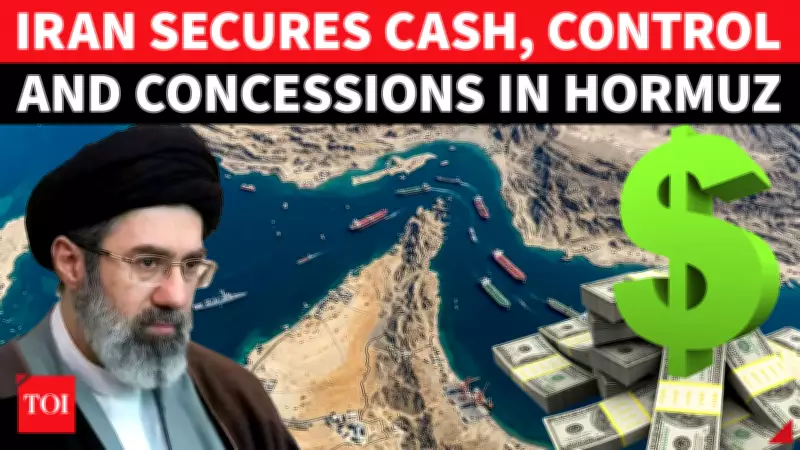
Iran's $2 Million Hormuz Strait Toll Stuns World After Trump's Peace Deal
In a dramatic geopolitical shift, Iran has reportedly announced a $2 million levy on ships passing through the Strait of Hormuz, a critical global energy chokepoint. This move comes shortly after US President Donald Trump declared a two-week ceasefire with Iran, transitioning from threats of military strikes to hailing a "big day for world peace." The development has sent shockwaves through international shipping and energy markets, as the strait carries nearly one-fifth of the world's oil supply.
Trump's Ceasefire Announcement and Shift in Tone
President Trump, in a post on Truth Social, stated that Iran "has had enough" and signaled potential US involvement in managing traffic through the Strait of Hormuz. This marks a stark reversal from previous rhetoric, where he had warned of devastating strikes against Iran. The ceasefire announcement, made on April 8, 2026, has been framed by Trump as a step toward reconstruction and stability in the region. Analysts are closely watching how this new toll will impact global trade dynamics and oil prices.
Implications for Global Energy and Shipping
The imposition of a $2 million fee per vessel traversing the Strait of Hormuz could have far-reaching consequences:

- Increased Shipping Costs: The levy is expected to raise operational expenses for oil tankers and cargo ships, potentially leading to higher fuel prices worldwide.
- Geopolitical Tensions: While Trump's ceasefire offers a temporary reprieve, Iran's toll move may reignite disputes with neighboring countries and international stakeholders.
- Economic Impact: With the strait being a vital route for oil exports from the Middle East, any disruption or additional cost could strain global energy supplies.
Iran's decision to implement this toll underscores its strategic leverage over one of the world's most important maritime passages. As the situation evolves, stakeholders from the US to Asian economies are monitoring developments, with Trump emphasizing a need for "reconstruction" in the aftermath of recent conflicts. The world now waits to see how this bold financial demand will shape future diplomatic and economic interactions in the region.