Iran's Foreign Minister Labels Geneva Talks with US as 'Most Intense' to Date
Iran's foreign minister, Abbas Araghchi, characterized the recent discussions with the United States in Geneva as the "most intense" so far, indicating a sense of cautious optimism amidst ongoing tensions concerning Tehran's nuclear programme and international sanctions. In a statement posted on X overnight, Araghchi emphasized that further progress had been achieved in diplomatic engagements with the United States, highlighting the seriousness of the negotiations.
Progress and Seriousness in Nuclear and Sanctions Fields
Araghchi noted that negotiators had made "very good progress" and had entered into the elements of an agreement "very seriously," addressing both nuclear matters and sanctions. While he declined to provide detailed specifics, he stated that Iran had "very clearly stated our demands" and observed "evident seriousness" from both sides to reach a negotiated solution. Technical teams are scheduled to continue their discussions at the International Atomic Energy Agency (IAEA) in Vienna on Monday, with another round of talks between Iran and the US potentially occurring within less than a week.
Regional Tensions and Mediation Efforts
The talks unfold against a backdrop of heightened regional tensions, marked by a significant US military presence in the Middle East and repeated warnings from former President Donald Trump about potential strikes if negotiations fail. Oman's Foreign Minister Badr al-Busaidi, who mediated the Geneva talks, reported "significant progress in the negotiation" without offering further elaboration. Iranian state media conveyed Tehran's determination to continue uranium enrichment, reject proposals to transfer material abroad, and push for the lifting of sanctions, signaling an unwillingness to meet all US demands.

High Stakes and Potential for Regional Conflict
In an interview with India Today, Araghchi warned that the stakes "could hardly be higher," cautioning that a US attack could trigger a regional conflict. He explained, "Since the Americans' bases are scattered through different places in the region, then unfortunately perhaps the whole region would be engaged and be involved, so it is a very terrible scenario." Experts, such as Ali Vaez of the International Crisis Group, suggested that the continuation of talks indicates potential common ground, with the US delegation's return to the table showing "enough common ground between the two sides."
Historical Context and Current Negotiations
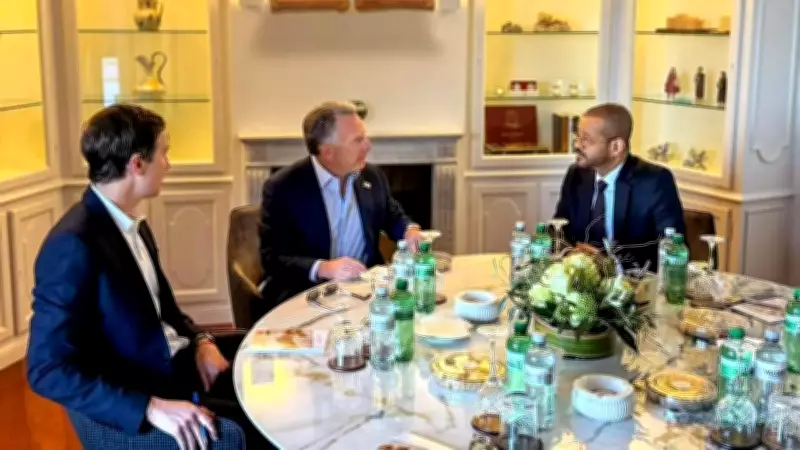
Last year's negotiations collapsed following Israel's 12-day war against Iran in June and US strikes on Iranian nuclear sites. The current discussions, led by Araghchi for Iran and US envoy Steve Witkoff alongside Jared Kushner, were mediated by Oman and lasted several hours before adjournment. While Tehran maintains that its nuclear programme is peaceful, Washington suspects Iran is positioning itself to rebuild aspects of its nuclear capacity. Failure of these talks could leave the region on edge, with rising oil prices and the threat of broader conflict adding to military uncertainties.