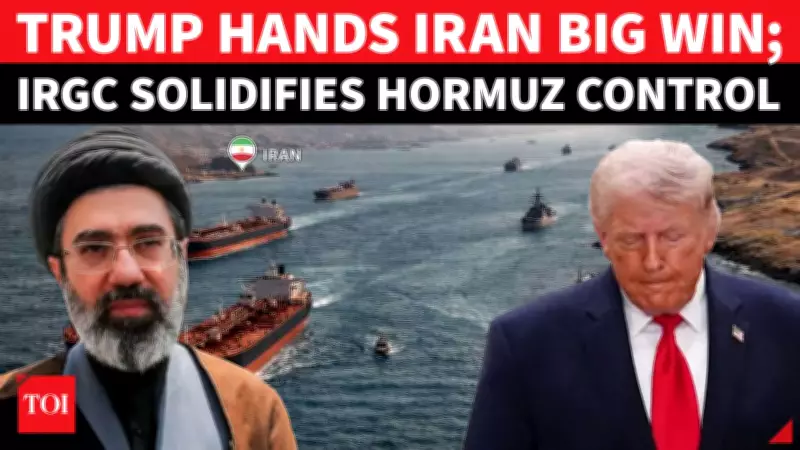
Iran's Strategic Move in the Strait of Hormuz Amid Fragile US Ceasefire
In a development that could reshape global energy security, Iran has unveiled detailed plans for its 10-point proposal, claiming significant control over the strategically vital Strait of Hormuz. This announcement comes during a delicate ceasefire period with the United States, marking a potential turning point in Middle Eastern geopolitics.
The 10-Point Proposal: Key Components and Implications
The comprehensive Iranian plan includes several critical elements that could fundamentally alter maritime operations in one of the world's most important oil transit routes. Regulated ship passage stands as a cornerstone of the proposal, suggesting Iran intends to implement new navigation protocols for vessels traversing the narrow waterway.
Equally significant is the call for sanctions relief from international powers, particularly the United States. This economic component represents a major diplomatic objective for Tehran, which has long sought to ease the financial pressures imposed by Western nations.

Perhaps most intriguing is the proposal for potential transit fees coordinated with Oman, Iran's neighbor that shares control over the strait's territorial waters. This economic arrangement could generate substantial revenue while formalizing Iran's administrative role in the waterway's management.
Regional Dynamics and International Response
The geopolitical landscape surrounding these developments remains complex and volatile. Pakistan has emerged as a mediating force in the ongoing talks between Iran and the United States, highlighting the broader regional interest in stabilizing this critical maritime corridor.
Global observers are closely monitoring whether Iran's claimed leverage over the Strait of Hormuz—through which approximately one-fifth of the world's oil supply passes—will translate into lasting control. The strategic importance of this waterway cannot be overstated, as any disruption could trigger immediate impacts on international energy markets and global trade patterns.
The Fragile Ceasefire and Future Uncertainties
While the current ceasefire between Iran and the United States offers temporary calm in a region marked by escalating tensions, underlying conflicts remain unresolved. The negotiations continue amid high-stakes diplomatic maneuvering, with both sides aware that the outcome could redefine power dynamics across the Middle East for years to come.
The international community now faces critical questions about energy security, maritime law, and regional stability. As Iran positions itself to potentially control one of the world's most vital economic arteries, the balance of power in global oil routes hangs in the balance, with implications reaching far beyond the immediate region.