

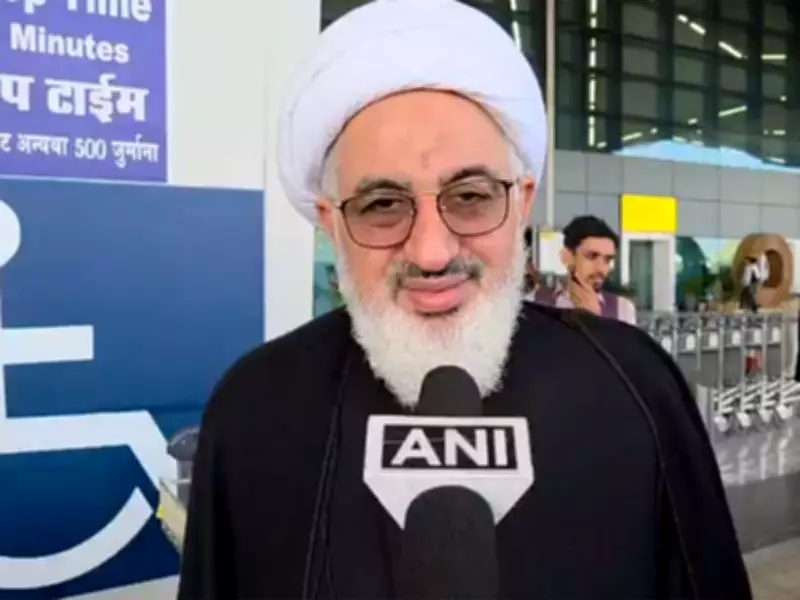
Indian Representative of Iran's Supreme Leader Condemns Trump's Rhetoric
In a recent development, an Indian representative of Iran's Supreme Leader, Ayatollah Ali Khamenei, has strongly criticized former US President Donald Trump for his inflammatory language. The representative emphasized that language is a direct reflection of one's personality and condemned the tirade as detrimental to diplomatic relations.
Language as a Mirror of Personality
The representative, whose identity has not been fully disclosed in public reports, highlighted the importance of respectful discourse in international affairs. He stated that the words used by leaders can significantly impact global perceptions and stability. By lambasting Trump's remarks, the representative underscored a broader concern about the erosion of diplomatic norms and the rise of aggressive rhetoric in politics.
Context of the Criticism
This criticism comes amid ongoing tensions between Iran and the United States, which have been exacerbated by Trump's policies during his presidency. The representative's comments are seen as part of Iran's efforts to counter what it views as hostile narratives from Western powers. The use of an Indian national in this role also points to Iran's strategic outreach to diverse communities to bolster its international standing.

Key Points from the Statement:
- The representative asserted that language choices reveal underlying character traits and intentions.
- He called for a return to more civil and constructive dialogue in global politics.
- The criticism was framed within the context of protecting Iran's sovereignty and promoting peaceful international relations.
Implications for Diplomacy
This incident highlights the ongoing challenges in Iran-US relations and the role of language in shaping diplomatic outcomes. Experts suggest that such public condemnations can further polarize positions, but they also serve to articulate Iran's perspectives on the world stage. The representative's background as an Indian adds a unique dimension, potentially facilitating cross-cultural understanding or, conversely, complicating bilateral dynamics.
In summary, the Indian representative's lambasting of Trump's tirade underscores a critical view that language in politics is not merely a tool of communication but a reflection of deeper personality and policy orientations, with significant implications for international diplomacy.






