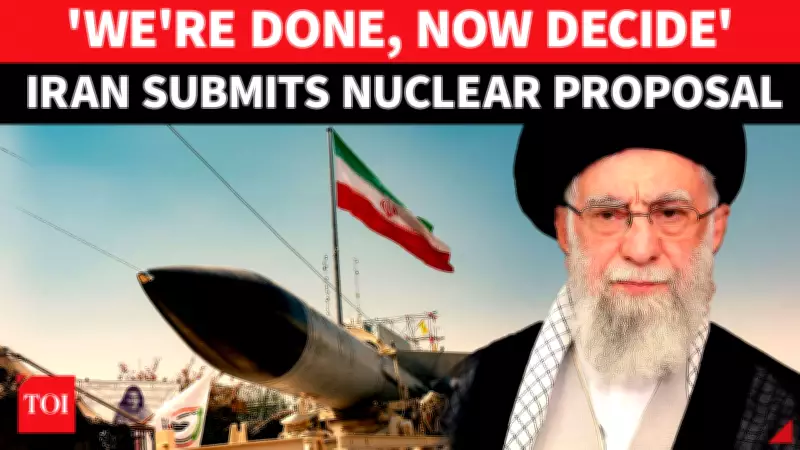
Iran Drops 'Historic' Nuclear Proposal During Geneva Talks; America Left With No Easy Choice?
In a significant development, Iran has reportedly presented a new proposal to the United States during the third round of indirect nuclear negotiations held in Geneva. Iranian negotiators have described this move as a practical test of Washington's commitment to diplomacy, aiming to address long-standing U.S. concerns over the nature of Tehran's nuclear program.
Details of the Iranian Proposal
According to officials, the proposal is designed to demonstrate that Iran's nuclear activities are peaceful and to remove what Tehran calls American "pretexts" regarding its nuclear ambitions. This offer comes amid heightened tensions and ongoing discussions aimed at reviving the nuclear deal, which has been a focal point of international diplomacy.
Iranian negotiators have emphasized that this proposal is a critical step towards proving the peaceful intent of their nuclear program. They argue that it provides a clear pathway for the United States to engage constructively and move beyond suspicions that have plagued relations for years.

Implications for U.S. Diplomacy
Tehran has issued a stern warning, stating that if the proposal is rejected, it will be interpreted as evidence that Washington is not genuinely interested in a diplomatic solution. Instead, Iran suggests that such a rejection would indicate that the U.S. is only participating in talks for appearances, rather than seeking a substantive agreement.
This puts the United States in a difficult position, as it must carefully weigh its response to avoid escalating tensions or undermining diplomatic efforts. The proposal challenges the Biden administration to demonstrate its willingness to engage in good-faith negotiations, potentially impacting broader Middle East stability and global non-proliferation efforts.
Broader Context and Regional Dynamics
The Geneva talks occur against a backdrop of regional and global uncertainties, including:
- Ongoing conflicts and security challenges in the Middle East.
- International scrutiny over Iran's nuclear activities and compliance with agreements.
- U.S. strategic interests in balancing diplomacy with pressure tactics.
As negotiations continue, the outcome of this proposal could set the tone for future diplomatic engagements between Iran and the United States, influencing not only bilateral relations but also the geopolitical landscape of the region.