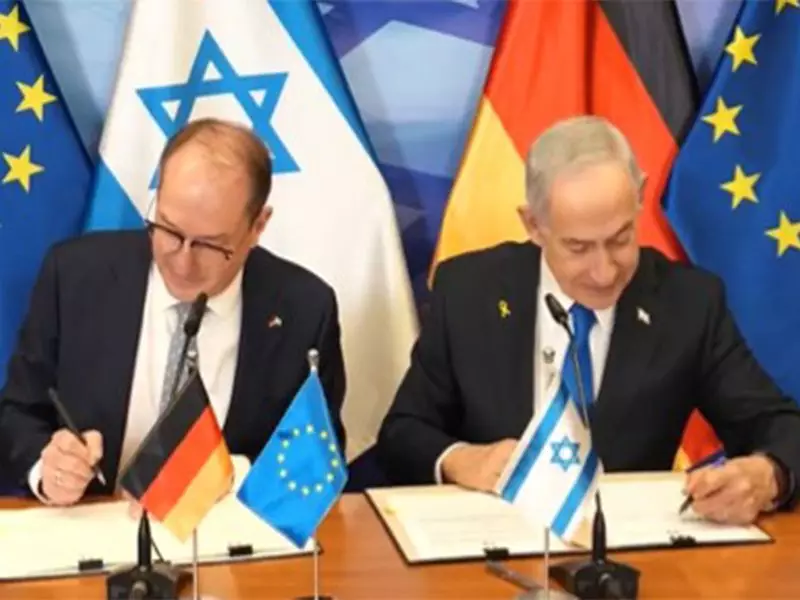
In a significant move to bolster their strategic partnership, Israel and Germany have inked a comprehensive joint declaration aimed at strengthening cooperation in the realms of security, cybersecurity, and the fight against terrorism. The agreement was formalized during a high-level meeting between the two nations' top diplomats.
A Landmark Agreement for Enhanced Security
The declaration was signed by Israeli Foreign Minister Israel Katz and his German counterpart, Foreign Minister Annalena Baerbock. The signing ceremony took place in Jerusalem, underscoring the commitment of both countries to a closer and more coordinated security relationship. This pact is designed to create a structured framework for collaboration, moving beyond ad-hoc discussions to a more institutionalized partnership.
The core areas of focus outlined in the declaration are multifaceted. A primary pillar is the enhancement of cybersecurity cooperation. Both nations face persistent and sophisticated threats in the digital domain, and the agreement paves the way for sharing intelligence on cyber threats, conducting joint exercises, and collaborating on developing resilient technologies to protect critical infrastructure.

Combating Terrorism and Deepening Defense Ties
Another critical component of the declaration is a reinforced commitment to counter-terrorism. Israel and Germany have agreed to intensify their exchange of information and best practices to prevent terrorist activities and combat extremist ideologies. This includes cooperation between law enforcement and intelligence agencies to track and disrupt terrorist networks that pose a threat to both countries and their interests globally.
Beyond cyber and counter-terrorism, the agreement also encompasses broader security and defense collaboration. This could involve dialogues on regional security challenges, military training exchanges, and potential cooperation in defense technology and equipment. The declaration recognizes that the security challenges of the 21st century are interconnected and require a united, international response.
Strategic Implications and Regional Context
This strengthened bilateral pact carries considerable strategic weight. For Israel, it represents a deepening of ties with a major European power and a key member of the European Union. It signals strong international support for Israel's security concerns. For Germany, the agreement aligns with its broader foreign policy goals of promoting stability and security in the Middle East while safeguarding its own national interests against transnational threats.
The signing occurs against a complex geopolitical backdrop, including ongoing conflicts and heightened security tensions in the Middle East and Europe. The joint declaration sends a clear message about the importance of democratic nations standing together to address shared security challenges. It builds upon a historical relationship that has evolved significantly over the decades, now firmly oriented towards future-oriented strategic cooperation.
Analysts view this pact as a concrete step that will likely lead to more frequent high-level security consultations, joint task forces on specific threats, and increased technological synergy between Israeli innovation and German industrial prowess in the security sector. The agreement is expected to serve as a foundation for years of deepened and practical collaboration between Jerusalem and Berlin.