

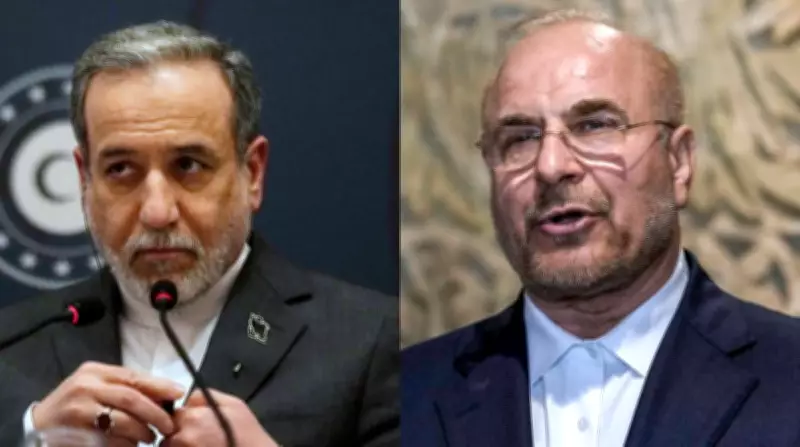
Israel Removes Iranian Officials from Hit List After Pakistan's Diplomatic Request
In a significant diplomatic development, Israel has reportedly removed two high-ranking Iranian officials from its target list following a formal request from Pakistan. According to sources, this move marks a notable shift in regional dynamics and underscores Pakistan's role as a mediator in Middle Eastern affairs.
Details of the Removal
The officials in question are Iranian Foreign Minister Hossein Amir-Abdollahian and Parliament Speaker Mohammad Bagher Ghalibaf. Both were previously on a list of targets that Israel had considered for potential actions, but they have now been taken off, as per reports emerging in March 2026. This decision comes after Pakistan engaged in diplomatic efforts to de-escalate tensions between Israel and Iran.
Pakistan's Diplomatic Intervention
Pakistan, which maintains relations with both Israel and Iran, reportedly made a formal request to Israel to remove these officials from its hit list. This intervention highlights Pakistan's strategic position in the region and its efforts to promote stability. Sources indicate that the request was part of broader diplomatic talks aimed at reducing hostilities and fostering dialogue.

Implications for Regional Relations
The removal of these officials from Israel's target list could have several implications:
- Reduced Tensions: This move may help lower immediate tensions between Israel and Iran, which have been high due to ongoing conflicts and geopolitical rivalries.
- Enhanced Mediation Role: Pakistan's successful intervention could bolster its reputation as a key mediator in the Middle East, potentially leading to more diplomatic engagements in the future.
- Shift in Strategy: Israel's decision might signal a temporary or strategic shift in its approach towards Iran, possibly influenced by international pressure or changing alliances.
Background and Context
Israel and Iran have long been adversaries, with tensions rooted in ideological differences, regional influence, and security concerns. The inclusion of Iranian officials on hit lists has been a contentious issue, often linked to covert operations and military strategies. Pakistan, with its historical ties to both nations, has occasionally stepped in to facilitate communication and de-escalation.
This report, dated March 26, 2026, suggests that such diplomatic efforts are ongoing and can yield tangible results. While details remain limited, the removal of Foreign Minister Amir-Abdollahian and Speaker Ghalibaf from the list is seen as a positive step towards reducing the risk of escalation in the region.
Future Outlook
As the situation evolves, observers will be watching to see if this diplomatic gesture leads to further dialogue or if tensions resurface. The role of Pakistan and other international actors will be crucial in shaping the future of Israel-Iran relations. For now, this development offers a glimmer of hope for reduced hostilities and enhanced regional cooperation.






