

Israeli Envoy in Delhi Denies Netanyahu Death Rumours, Blames Iran for Disinformation
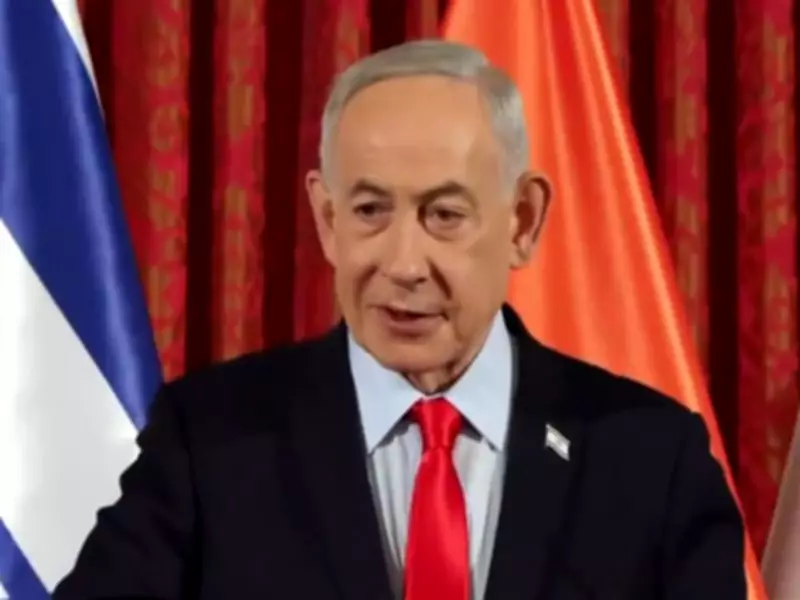
Israeli Ambassador to India, Reuven Azar, has firmly dismissed widespread social media rumours claiming the death of Prime Minister Benjamin Netanyahu. In a media briefing held in Delhi on Monday, Azar stated, "PM Netanyahu is alive," and attributed the false claims to disinformation spread by Iran and its allies.
Ambassador's Rebuttal Amid Conflict
The rebuttal comes as the West Asia conflict entered its 17th day, with several online posts alleging that Netanyahu had suffered fatal injuries. Azar, interacting with reporters during a briefing on Israel's Operation Roaring Lion, was directly asked about the prime minister's safety. He responded by confirming Netanyahu's well-being, noting, "I saw him when I was in Israel more than once."
Azar specifically addressed a viral video showing Netanyahu visiting a cafe in Israel, which some had claimed was AI-fabricated. He dismissed this as part of a broader campaign of false information, saying, "The video at the cafe is not AI-fabricated. A lot of disinformation is being spread."

Accusations Against Iran
In comments to PTI on the sidelines of the briefing, Azar accused Iran and its "accomplices" of orchestrating the disinformation. He described it as a "classical disinformation projection" aimed at undermining Israel. "Our prime minister is feeling very well," Azar added. "I met him personally following Prime Minister Narendra Modi's visit to Israel. He's completely intact."
He further referenced a video released by Netanyahu on Sunday, in which the prime minister mocked the rumours by ordering coffee at a roadside mini market. In the video, posted on his personal X handle, Netanyahu can be heard joking, "I am dying for coffee," when informed that some channels were reporting his death.
Context of the Rumours
Speculation about Netanyahu's absence from public view had been circulating for about a week, fueling the rumours. The ambassador's statements aim to quell these claims and highlight the ongoing challenges of misinformation in the digital age, particularly during times of conflict. The incident underscores the role of social media in spreading unverified claims and the efforts by officials to counter them with factual updates.
As the West Asia conflict continues, such disinformation tactics are seen as attempts to destabilize public perception and morale. Azar's briefing in Delhi serves as a reminder of the importance of verifying information from credible sources before sharing it online.






