

Israeli Envoy Details Strategic Timing of Iran Operation Following PM Modi's Visit
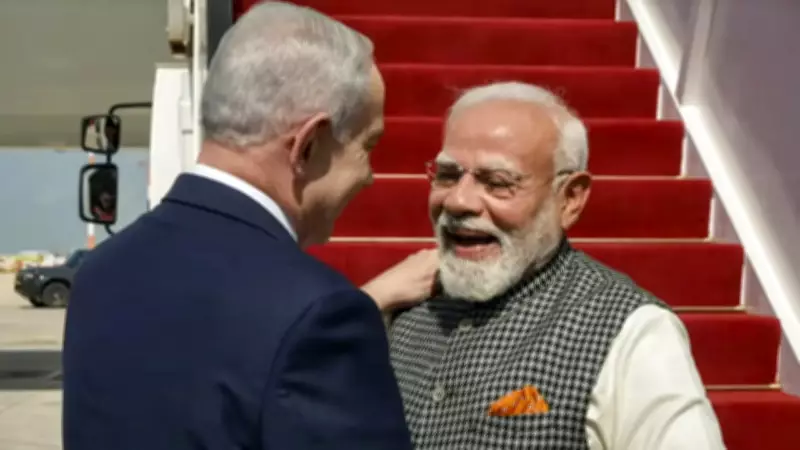
Israeli Ambassador to India, Reuven Azar, addressed the complex geopolitical landscape on Monday, providing critical insights into the timing of Israel's recent military operation against Iran and its connection to Prime Minister Narendra Modi's diplomatic visit to Israel in February 2026.
Operational Delay Until After Modi's Departure
Ambassador Azar acknowledged that regional tensions surrounding Israel were already significantly elevated before Prime Minister Modi's arrival on February 25-26, 2026. However, he emphasized that Tel Aviv deliberately waited until the Indian leader's departure to execute what he termed an "operational opportunity" against Iran.
"It was evident that the situation is very volatile in our region even before Prime Minister Modi came," Azar told ANI news agency. "When it comes to the decision to strike, the operational opportunity came only after PM Modi left. The cabinet decision to approve the operation happened only two days after his departure."

This clarification directly addresses widespread speculation about the precise timing of coordinated US-Israel strikes against Iranian targets, confirming that diplomatic considerations influenced military scheduling.
India's Position and Bilateral Engagement
Regarding India's stance on the escalating US-Israel conflict with Iran, Ambassador Azar expressed confidence in continued diplomatic engagement between Jerusalem and New Delhi. "We will continue our engagements with India. We have a lot of common interests," he stated. "Of course, India will pursue diplomatic efforts that serve Indian interests."
This statement underscores the delicate balance India maintains in its foreign policy, navigating relationships with multiple Middle Eastern powers while protecting its strategic and economic interests in the region.
Anticipated Iranian Retaliation and Regional Escalation
Azar commented extensively on Iran's retaliatory strikes, noting that Israeli intelligence had fully anticipated such moves. "We are not surprised, we knew that the Iranians have these capabilities," he explained. The ambassador claimed that previous Israeli operations in June had significantly degraded Iranian military capabilities, resulting in less damage than earlier confrontations.
He criticized Iran's decision to escalate hostilities by attacking twelve countries across the region, calling this approach "completely irresponsible." Azar asserted that "the pressure is on them and will continue to be on them because they are the aggressors" in the current conflict dynamic.
Countering Disinformation and Clarifying Strategic Goals
Responding to circulating disinformation about Israeli Prime Minister Benjamin Netanyahu, Ambassador Azar provided unequivocal clarification: "Prime Minister Netanyahu is alive. I saw him personally when I was in Israel more than once. This video at the cafe is not AI-fabricated. There is a lot of disinformation."
Regarding Israel's strategic objectives in the conflict, Azar denied any shifting of goals, outlining three consistent aims:
- Neutralizing the nuclear threat from Iran
- Neutralizing ballistic missile threats
- Providing Iranian citizens opportunities for a better future by degrading oppressive internal forces
"We are doing exactly that. Nothing has changed in terms of our aims," he emphasized. "We will make sure that after this war is over, the Iranian regime cannot reconstitute these plans."
Broader Regional Context and Implications
The ambassador's detailed explanations come amid reports of major fires at Dubai International Airport following drone strikes and suspended flights across the region. Simultaneously, former US President Donald Trump has reportedly urged seven nations to deploy warships to police the strategically vital Strait of Hormuz, highlighting the conflict's expanding regional ramifications.

Iran has condemned Israeli bombing of fuel depots as "ecocide," while Trump has warned NATO allies about potential war fallout, creating a complex multilateral diplomatic landscape that India must carefully navigate given its significant energy imports and diaspora interests in the Middle East.
Ambassador Azar's comprehensive briefing provides unprecedented transparency about the operational considerations behind Israel's military actions, particularly how major diplomatic visits by global leaders like Prime Minister Modi influence tactical decisions in volatile conflict zones.





