ISRO Advances Gaganyaan Mission with Key Antenna Transport to Australian Tracking Station
The Indian Space Research Organisation (ISRO) has achieved a significant milestone by completing the transportation of a critical antenna to be installed at the telemetry, tracking, and command (TTC) station on Australia's Cocos (Keeling) Islands. This facility is essential for monitoring the Gaganyaan orbital module, marking a pivotal step in India's ambitious human spaceflight program.
Strategic Collaboration with Australia for Enhanced Space Tracking
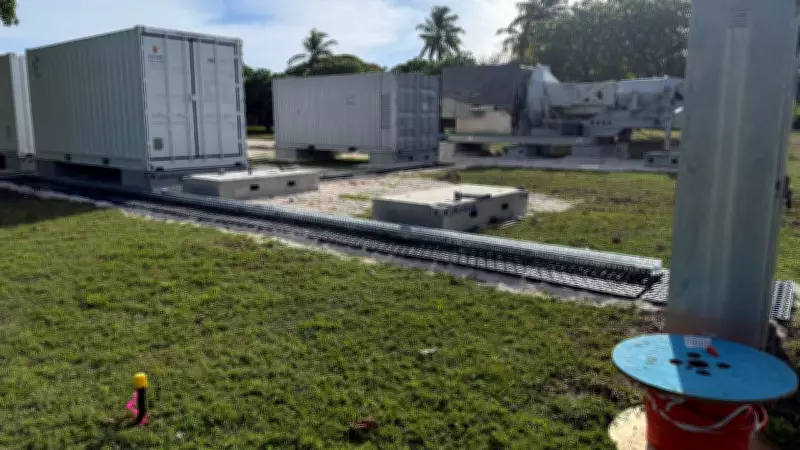
In 2021, initial discussions between ISRO and the Australian Space Agency (ASA) were reported, focusing on establishing this tracking station. By 2022, an implementation arrangement was executed to set up a transportable TTC terminal on Cocos Island, specifically designed to provide ascent phase support for Gaganyaan missions. The Australian Space Agency has officially confirmed this development, stating that the arrival of ISRO's tracking antenna, along with control, storage, and mess containers from Nova Systems at Site 5 of the Old Quarantine Station, represents new heights in Australia's support for India's space endeavors.
ISRO requires a comprehensive 360-degree view for Gaganyaan operations to eliminate any blind spots during missions. The station in Australia is part of a broader initiative to deploy tracking facilities in multiple global locations, complementing agreements with other space agencies to ensure seamless mission coverage.

Cross-Government Coordination and Mission Preparations
An ASA spokesperson previously explained that, in addition to providing the site, ASA is leading cross-government coordination to facilitate ISRO's request for temporary ground station tracking facilities. This involves securing approvals from various Commonwealth agencies, ensuring all regulatory aspects are addressed for the project's progression.
ISRO is targeting the launch of the first uncrewed Gaganyaan mission this year, having completed over 8,000 ground tests in 2025 as part of the final preparation phase. To ensure rigorous oversight, a High-Level Review Committee has been established for close monitoring, alongside a comprehensive zero-based audit of all mission documents.
Technical Enhancements and Testing Milestones
Organizational changes have been implemented in the Environmental Control and Life Support System, leveraging expertise across ISRO centers. An Integrated Mission Review Committee is currently examining critical aspects to address any design and simulation gaps, thereby strengthening the overall mission strategy.
All necessary propulsion tests for human rating have been successfully completed. Software simulations are actively underway at multiple test beds, with environmental tests expected to conclude shortly to keep the uncrewed mission on schedule.
On the hardware front, significant progress includes:
- The first Integrated Air Drop Test validated parachute deployment and sea recovery of the crew module.
- Parachute deployment and recovery systems were further tested through air-drop and drogue parachute trials.
- Insights from the Axiom-4 mission, which transported Group Captain Shubhanshu Shukla to the International Space Station, are being integrated into training and mission planning to enhance safety and efficiency.
This collaborative effort between India and Australia underscores the global nature of space exploration, with ISRO leveraging international partnerships to advance its Gaganyaan program and ensure mission success through robust tracking and support infrastructure.