

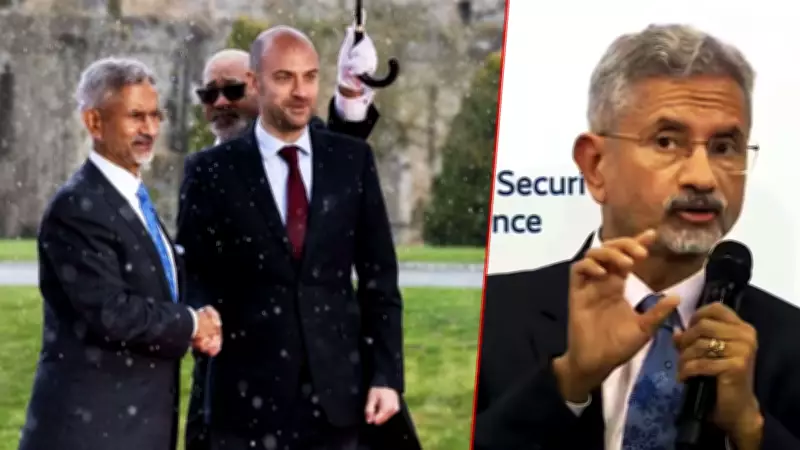
Jaishankar Advocates for UN Security Council Reform at G7 Foreign Ministers' Meeting
India has intensified its global diplomatic efforts during a critical period. External Affairs Minister S Jaishankar delivered a compelling address at the G7 Foreign Ministers' Meeting, stressing the immediate necessity for reforming the United Nations Security Council. His intervention comes as the international community grapples with multiple overlapping crises that threaten global stability and economic security.
Addressing Multifaceted Global Challenges
Jaishankar highlighted several pressing issues currently affecting the world stage. The ongoing conflict in West Asia continues to disrupt crucial oil flows, contributing to rising inflation and significant supply chain disruptions worldwide. These economic pressures are exacerbating existing vulnerabilities in the global system, creating a perfect storm of challenges that demand coordinated international responses.
India specifically raised concerns about how developing nations are disproportionately affected by these crises. Energy shocks and growing food insecurity are hitting the Global South particularly hard, threatening to reverse decades of development progress. Jaishankar emphasized that global governance structures must evolve to address these contemporary realities effectively.

Comprehensive Approach to Global Security
Beyond institutional reform, the External Affairs Minister outlined several critical areas requiring attention:
- Peacekeeping operations need substantial upgrades to meet modern security challenges
- Maritime security, particularly in strategic waterways like the Strait of Hormuz, requires enhanced international cooperation
- Global governance mechanisms must become more representative and responsive to current geopolitical realities
The broader message from India's diplomatic engagement is unequivocal: the existing international architecture, established in a different era, must adapt to 21st-century challenges. India is not merely advocating for change but positioning itself as a central player in shaping this transformation.
India's Strategic Positioning and Leadership Role
Jaishankar's address reflects India's sophisticated approach to global diplomacy, balancing immediate practical concerns with long-term strategic objectives. The country is addressing urgent energy security needs while simultaneously working to enhance its influence in international institutions. This dual-track approach demonstrates India's growing confidence and capability on the world stage.
By championing the concerns of developing nations while engaging with established powers like the G7, India is carving out a unique leadership role that bridges traditional divides in global politics. The emphasis on UN Security Council reform represents both a principled stand for more equitable global governance and a strategic move to secure India's rightful place in international decision-making bodies.
The timing of this diplomatic push is particularly significant, coming as multiple crises converge to test the resilience of the international system. India's proactive engagement suggests a nation ready to assume greater responsibility in global affairs while ensuring its national interests and those of fellow developing countries are adequately represented in international forums.






