

India Intensifies Diplomatic Outreach As West Asia Conflict Escalates
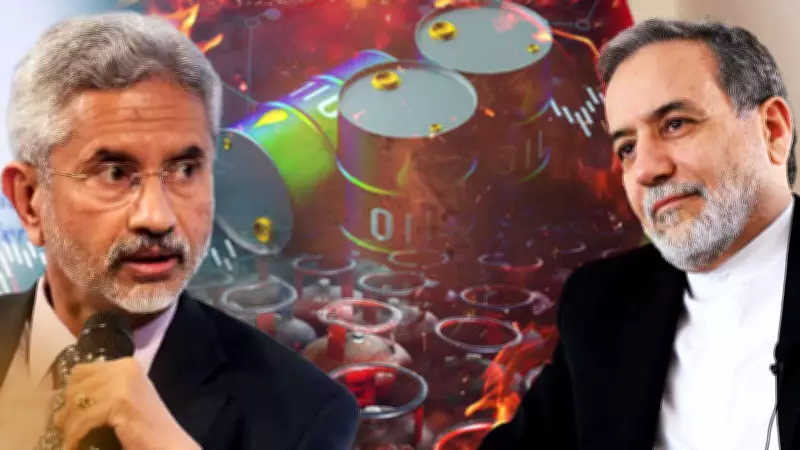
In a significant diplomatic move, External Affairs Minister Subrahmanyam Jaishankar held detailed discussions with Iran's Foreign Minister Seyed Abbas Araghchi regarding the intensifying conflict in West Asia. This high-level engagement comes at a critical juncture as regional tensions continue to mount following recent developments in Iran.
Strategic Dialogue Amid Regional Turmoil
The conversation between the two foreign ministers focused on the evolving crisis that has gripped West Asia. The timing of these talks is particularly noteworthy as they follow the killing of Iran's Supreme Leader Ali Khamenei and the subsequent appointment of Mojtaba Khamenei as his successor. These leadership changes have added another layer of complexity to an already volatile regional situation.
India has consistently advocated for restraint and peaceful resolution of conflicts through diplomatic channels. The Jaishankar-Araghchi dialogue represents New Delhi's proactive approach to engaging with key stakeholders in the region to prevent further escalation.

Multi-Pronged Diplomatic Strategy
Prime Minister Narendra Modi has been personally involved in diplomatic outreach, holding conversations with leaders from several Gulf nations. This multi-pronged approach demonstrates India's commitment to regional stability and its strategic interests in West Asia.
The Indian government's diplomatic efforts are particularly focused on preventing the crisis from spiraling further, which could have severe implications for global peace and security. New Delhi's engagement reflects its growing role as a responsible global actor seeking to mediate and facilitate dialogue between conflicting parties.
Economic Implications and Energy Security
With global energy markets already showing signs of volatility and key shipping routes experiencing strain, India's diplomatic initiatives carry significant economic implications. The country is pushing for stability in the region to safeguard its economic and strategic interests, particularly concerning energy security.
The West Asia conflict has raised concerns about potential disruptions to energy supplies, which could impact global oil prices and economic stability. India, as one of the world's largest energy consumers, has a vital stake in ensuring the smooth flow of energy resources from the region.
Regional Stability and Global Impact
India's diplomatic engagement with Iran and other regional players underscores the interconnected nature of global security and economic stability. The country's approach balances its strategic partnerships while advocating for peaceful resolution of conflicts.
The External Affairs Minister's conversation with his Iranian counterpart represents just one facet of India's comprehensive diplomatic strategy in West Asia. As the situation continues to evolve, New Delhi remains committed to playing a constructive role in promoting dialogue and de-escalation.
These diplomatic efforts come at a time when the international community is closely watching developments in West Asia, recognizing that regional stability has far-reaching implications for global security and economic prosperity.






