

India's Diplomatic Efforts with Iran Show Tangible Progress on Strait of Hormuz Shipping
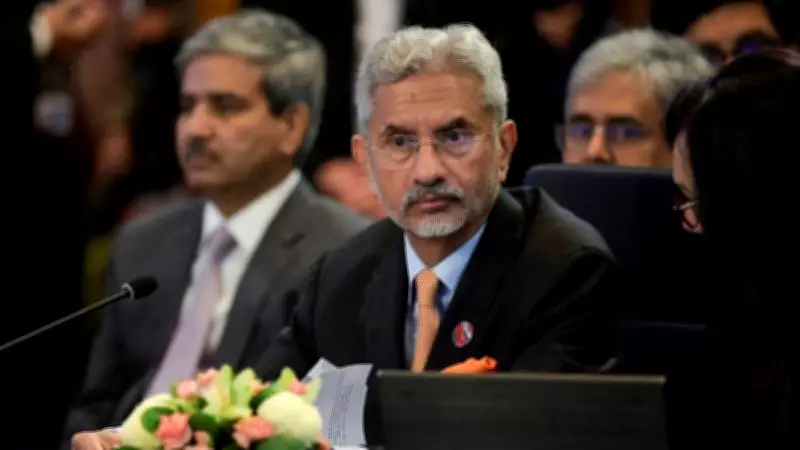
External Affairs Minister Dr. S Jaishankar has confirmed that recent high-level talks between India and the Islamic Republic of Iran have yielded significant and measurable results concerning the critical issue of restarting and securing maritime traffic through the strategically vital Strait of Hormuz. The minister emphasized that from India's national perspective, a coordinated diplomatic solution achieved through reasoned dialogue is vastly preferable to inaction or unilateral measures.
Diplomatic Coordination Over Confrontation
In his statement, Jaishankar underscored the fundamental importance of international cooperation and diplomatic reasoning. "From India’s perspective, it is categorically better that we reason, we coordinate meticulously, and we collectively achieve a sustainable, long-term solution, rather than proceeding without one," the minister articulated. This approach highlights New Delhi's commitment to resolving complex geopolitical challenges through multilateral engagement and peaceful negotiation, rather than through escalation or isolation.
The Strategic Significance of the Strait of Hormuz
The Strait of Hormuz represents one of the world's most crucial maritime chokepoints for global energy supplies. A significant portion of the world's seaborne oil trade, including a substantial share of India's crude oil imports, transits through this narrow passage. Any disruption or instability in shipping lanes through the strait can have immediate and severe repercussions for global energy markets, international trade routes, and regional security dynamics. Therefore, ensuring the free, safe, and uninterrupted flow of commercial vessels is a paramount concern for India's energy security and economic stability.

Details and Implications of the Talks
While specific operational details of the agreements reached remain confidential, the confirmation of "results" indicates progress on several potential fronts:
- Security Assurances: Discussions likely involved mechanisms to enhance the safety and protection of commercial shipping from threats in the region.
- Operational Protocols: The talks may have established clearer communication channels and coordinated procedures between relevant naval and maritime authorities.
- Diplomatic Frameworks: The progress suggests a strengthening of the bilateral diplomatic framework between India and Iran to manage regional maritime issues collaboratively.
This development follows a period of heightened regional tensions that have periodically threatened the security of this essential waterway. India's proactive and principled diplomacy, as led by Jaishankar, aims to de-escalate tensions and foster a cooperative environment conducive to stable trade.
India's Broader Foreign Policy Stance
This announcement aligns with India's consistent foreign policy doctrine of engaging all regional stakeholders to protect its core national interests. By prioritizing dialogue and coordination with Iran, a key regional power, India demonstrates its nuanced and independent approach to West Asian geopolitics. The successful navigation of this issue reinforces India's role as a responsible global actor committed to maintaining international law, freedom of navigation, and the security of global commons.
The positive outcome of these talks is expected to bolster confidence among international shipping companies and energy traders, potentially stabilizing insurance premiums and ensuring more predictable logistics for goods transiting the region. For India, a nation deeply integrated into global supply chains, this diplomatic success is not just a foreign policy win but a direct contributor to domestic economic resilience and energy affordability.






