External Affairs Minister S Jaishankar has issued a pointed warning to Western nations, stating they would end up as 'net losers' if they choose to restrict the flow of skilled immigrants. He emphasized that global talent mobility is a necessity, not a choice, in today's interconnected world.
The Core Argument: Global Talent is a Two-Way Street
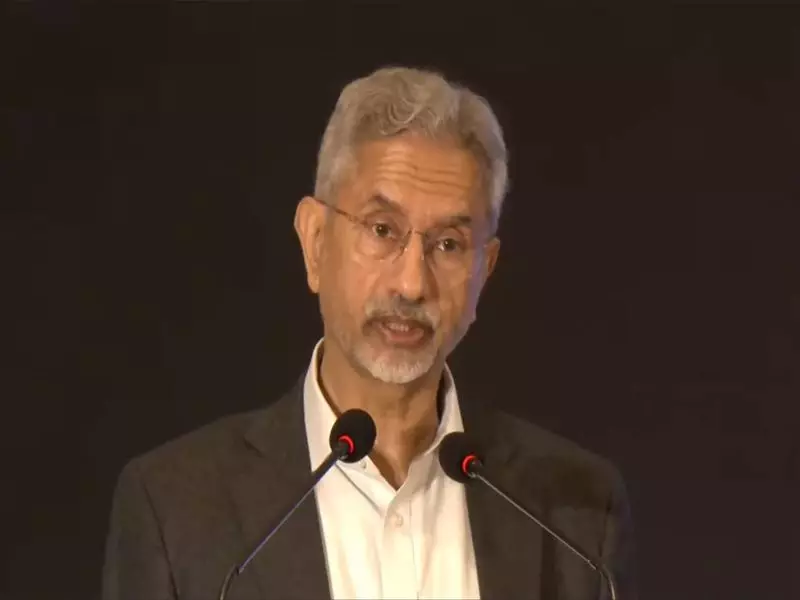
Jaishankar made these remarks during an interactive session at the Munich Security Conference. He challenged the growing narrative in some Western countries about curbing skilled immigration. The minister argued that such a move would be counterproductive. 'If you don't have the ability to look at a pool of talent that is global and you say I'm only going to look at talent which is national, you are going to be the net loser,' he stated clearly.
His comments come against a backdrop of policy debates in several developed economies regarding tightening immigration rules for skilled professionals. Jaishankar positioned this not just as an Indian concern, but as a fundamental issue of global economic logic.

India's Position as a Talent Powerhouse
The minister naturally highlighted India's central role in this ecosystem. He pointed out that India is a major contributor of skilled professionals across critical sectors like technology, healthcare, and engineering. Restricting access to this talent pool, he implied, would directly impact the innovation and competitiveness of Western industries.
Jaishankar framed the discussion around mutual benefit. The movement of skilled Indians abroad is not a one-sided gain for India. Host countries receive a significant boost to their knowledge economies. 'Today, there is a much greater recognition that if you have to run a modern economy, you need a certain talent pool,' he explained. The underlying message was that nations cannot afford to be insular in their talent search in a competitive global market.
Beyond Economics: A Question of Fairness and Perception
The External Affairs Minister also touched upon the perception of such restrictions. He suggested that pulling up the ladder on skilled immigration could be seen as unfair, especially when these same economies have benefited immensely from global talent for decades. It challenges the principles of openness and meritocracy that many Western nations profess.
Furthermore, Jaishankar connected this to larger themes of globalization and de-risking. While countries are looking to de-risksupply chains and economies, shutting doors to skilled human capital represents a different, and potentially damaging, kind of fragmentation.
The consequences of such policies are clear in Jaishankar's view: nations that close themselves off will stagnate, while those that remain open to global talent will continue to thrive and lead in innovation. For India, the statement is a strong diplomatic affirmation of the value of its human resources on the world stage.
In conclusion, Jaishankar's warning in Munich is a strategic intervention in a critical global policy debate. It positions India not as a petitioner, but as a key stakeholder reminding the West of the mutual gains inherent in the free flow of skilled professionals. The ball, as per his argument, is now in their court.