

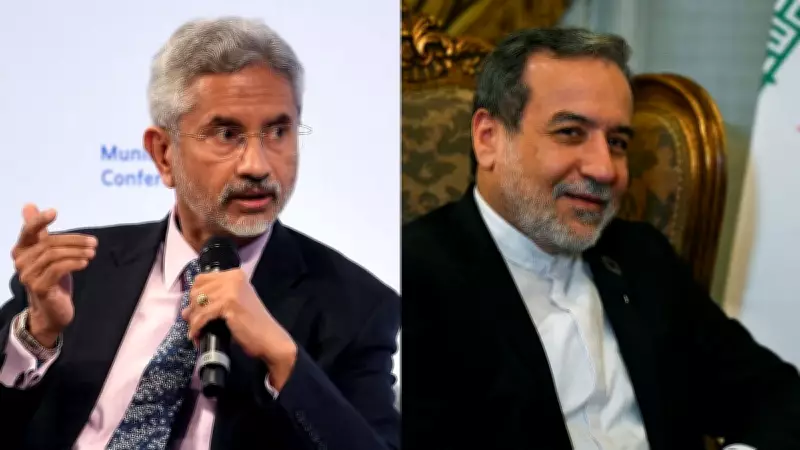
Jaishankar's Fourth Diplomatic Call with Iran Amid Escalating West Asia Crisis
In a significant diplomatic move, External Affairs Minister Dr. S. Jaishankar engaged in his fourth telephone conversation with Iranian Foreign Minister Mohammad Javad Araghchi on March 13, 2026. This high-level dialogue comes at a critical juncture as tensions in West Asia continue to escalate, directly impacting global maritime security and trade routes.
Focus on Securing Safe Passage for Indian Merchant Vessels
The primary agenda of the call centered on New Delhi's intensified efforts to ensure the safe passage of 28 Indian merchant vessels currently stationed on either side of the strategically vital Strait of Hormuz. This narrow waterway, a crucial chokepoint for global oil shipments, has become a flashpoint in the ongoing regional crisis, posing severe risks to international shipping and energy supplies.
The discussions underscored India's proactive diplomatic stance in safeguarding its maritime interests and citizens abroad. With thousands of Indian crew members aboard these vessels, the government is prioritizing their safety and the uninterrupted flow of trade through this volatile region. The Strait of Hormuz handles approximately one-fifth of the world's petroleum consumption, making its security a matter of global economic concern.

Context of the West Asia Crisis and India's Strategic Diplomacy
This latest diplomatic engagement is part of a series of high-level interactions between India and Iran, reflecting the complex geopolitical landscape in West Asia. The crisis, characterized by heightened military posturing and regional instability, has compelled nations like India to employ nuanced diplomacy to protect their economic and strategic interests.
India's approach balances its longstanding ties with Iran while maintaining its broader international commitments. The conversation between Jaishankar and Araghchi likely addressed:
- Immediate de-escalation measures to ensure maritime safety
- Coordination mechanisms for Indian vessels transiting the region
- Broader regional stability and conflict resolution efforts
- Bilateral cooperation amid multilateral pressures
The timing of this call, as reported by the DH Web Desk on March 13, 2026, at 10:35 IST, highlights the urgency with which New Delhi is responding to the evolving situation. With commercial shipping lanes under threat, India's diplomatic outreach aims to preempt potential disruptions that could affect energy prices and supply chains worldwide.
Implications for Global Trade and Regional Security
The outcome of these diplomatic efforts could have far-reaching consequences. Successfully securing safe passage for the 28 vessels would not only protect Indian assets but also contribute to stabilizing one of the world's most important trade corridors. Conversely, any escalation could trigger broader economic repercussions, affecting oil markets and international relations.
As India continues to navigate this crisis, its diplomatic engagements with key regional players like Iran demonstrate a commitment to pragmatic, solution-oriented foreign policy. The fourth call between Jaishankar and Araghchi signifies ongoing dialogue at the highest levels, essential for managing risks in an increasingly unpredictable geopolitical environment.






