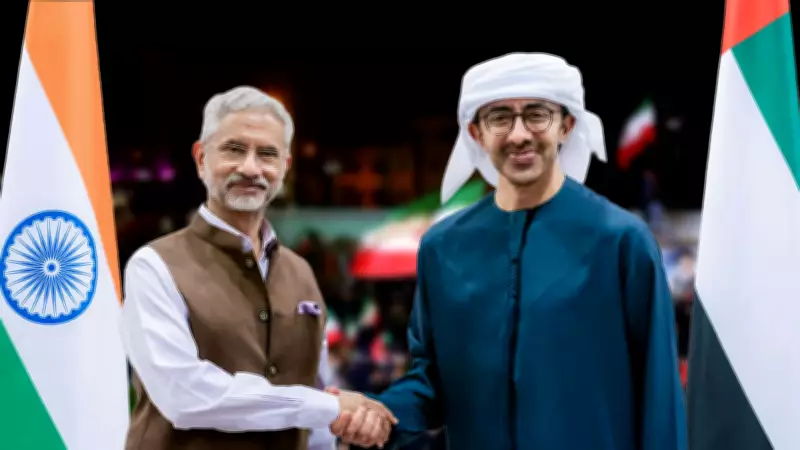
Jaishankar's UAE Visit Signals India's Strategic Push Post US-Iran Ceasefire
As the dust settles after the recent ceasefire agreement between the United States and Iran, India is swiftly moving to enhance its diplomatic presence in West Asia. External Affairs Minister S Jaishankar's upcoming visit to the United Arab Emirates represents the first significant outreach by India since the conflict began, highlighting the nation's proactive and strategic approach to regional stability.
Timing and Strategic Importance
The timing of Jaishankar's visit is particularly crucial, as it coincides with ongoing discussions between the US and Iran regarding the implementation of the ceasefire framework. This alignment underscores India's intent to stay closely engaged with global developments that directly impact its national interests.
Energy security and the uninterrupted flow of trade through the Strait of Hormuz remain top priorities for India. With a significant portion of its energy imports passing through this critical waterway, ensuring stability in the region is paramount to safeguarding India's economic interests and the welfare of its citizens.

Coordinated Diplomatic Efforts
Simultaneously, India is reinforcing its ties with Washington, where Foreign Secretary Vikram Misri is conducting high-level talks across various sectors. This dual-pronged diplomatic initiative reflects a well-coordinated strategy to maintain and expand India's influence in key global arenas.
The visit to the UAE is not merely a routine diplomatic engagement but a calculated move to assert India's role as a stabilizing force in West Asia. By engaging with regional partners at such a critical juncture, India aims to protect its strategic interests while contributing to broader peace and stability efforts.
Broader Implications for India's Foreign Policy
This proactive diplomatic push illustrates India's commitment to staying deeply involved in international affairs, particularly in regions that have a direct bearing on its economy and security. The focus on West Asia highlights the following key aspects of India's foreign policy:
- Energy Security: Ensuring reliable access to energy resources is a cornerstone of India's economic strategy.
- Trade Stability: Maintaining open and secure trade routes is essential for India's import-export balance.
- Diplomatic Influence: Strengthening ties with both traditional and emerging partners to bolster India's global standing.
- Regional Stability: Contributing to peace efforts in volatile regions to protect Indian interests abroad.
In conclusion, Jaishankar's visit to the UAE serves as a clear signal of India's strategic intent to remain an active and influential player on the global stage. By leveraging diplomatic channels in the aftermath of the US-Iran ceasefire, India is positioning itself to navigate the complex geopolitical landscape of West Asia while safeguarding its national interests and promoting regional stability.