Japanese Delegation's Informal Lucknow Tea Stall Visit Goes Viral
While major diplomatic visits typically generate headlines through formal statements and high-level meetings, a recent trip to Lucknow demonstrated how simple, unscripted moments can capture public imagination far more effectively. During an official visit to Uttar Pradesh's capital, a Japanese delegation stepped away from their packed schedule to experience authentic local culture at a popular tea stall, creating a heartwarming narrative that quickly spread across social media platforms.
Official Discussions with Uttar Pradesh Leadership
The Japanese delegation was led by Junichi Ishidera, Deputy Governor of Japan's Yamanashi Prefecture, who met with Uttar Pradesh Chief Minister Yogi Adityanath in Lucknow on Wednesday. These formal discussions focused on strengthening bilateral ties and exploring potential collaborations between the Indian state and Japanese prefecture. Such diplomatic engagements typically follow structured agendas with carefully planned interactions between government officials.
Embracing Local Culture at Sharma Tea Stall
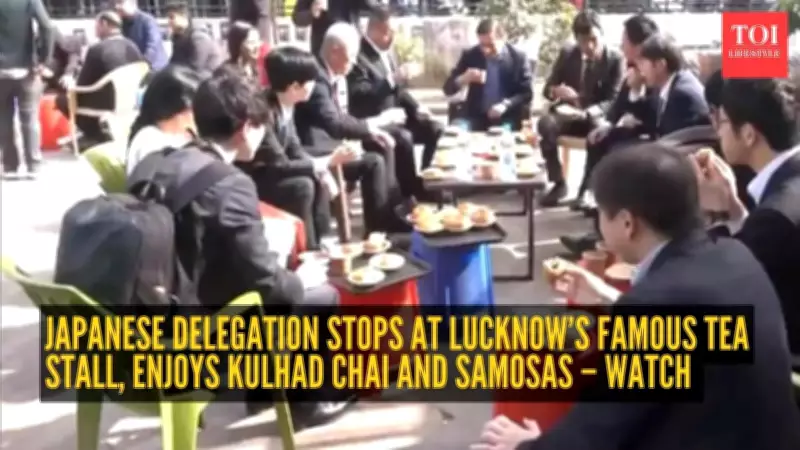
Following their official meetings, the delegation ventured beyond the conference rooms to experience Lucknow's vibrant street culture firsthand. They visited the renowned Sharma Tea stall, a beloved institution among locals known for its authentic refreshments and welcoming atmosphere. The Japanese visitors were seen enjoying traditional kulhad chai served in earthen cups alongside freshly prepared samosas, immersing themselves in the everyday culinary traditions of the city.

A video capturing this informal interaction was shared by news agency ANI and rapidly gained traction across various social media platforms. Users expressed delight at witnessing international diplomats embracing local customs in such a genuine, unpretentious manner. The relaxed setting contrasted sharply with the formal nature of diplomatic engagements, creating a relatable moment that resonated with audiences across India and beyond.
Why This Simple Gesture Resonated So Deeply
Sharma Tea stall represents more than just a place to enjoy beverages—it embodies Lucknow's rich cultural heritage and serves as a social hub where people from all walks of life converge. Seeing an international delegation participate in this everyday ritual highlighted the universal appeal of simple human connections that transcend formal diplomatic protocols. The moment sparked meaningful conversations about cultural exchange through shared culinary experiences and the importance of authentic interactions in building international relationships.
This tea stall visit echoed a similar cultural exchange moment recently shared by Japan's ambassador to India, ONO Keiichi. While in Delhi, Ambassador Keiichi posted a video demonstrating his efforts to learn traditional Indian dining customs, specifically how to eat biryani by hand following local practices. In his accompanying message, he wrote, "Tried eating biryani by hand – following my Indian friends," showcasing his genuine interest in understanding and participating in Indian cultural traditions.
The video depicted someone carefully explaining the proper technique for enjoying biryani without utensils, with the ambassador attentively listening, following each step, and nodding in understanding as he mastered the method. Both instances—the Lucknow tea stall visit and the Delhi biryani lesson—demonstrate how food serves as a powerful bridge between cultures, creating memorable connections that often prove more impactful than formal diplomatic exchanges.
These authentic moments of cultural immersion reflect a growing trend in international diplomacy where genuine personal interactions complement traditional formal engagements. By stepping outside official venues and participating in local customs, diplomats create relatable narratives that foster greater public engagement with international relations. The viral response to both incidents underscores how such human-centered approaches to diplomacy can effectively build bridges between nations and cultures.