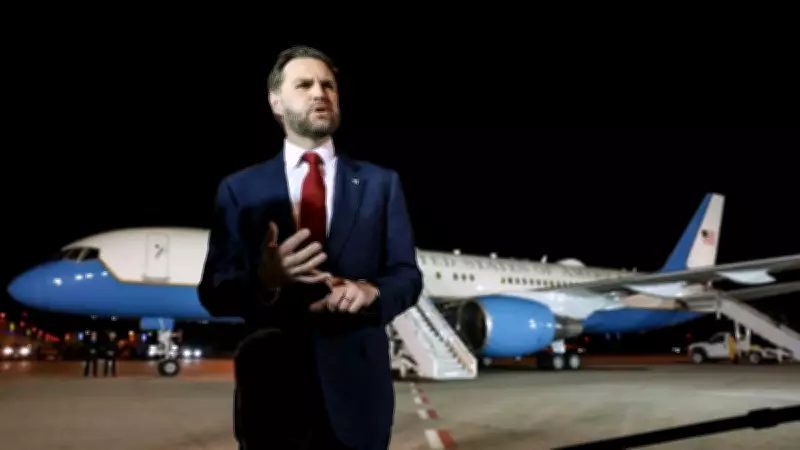
JD Vance to Head US Ceasefire Delegation for Critical Iran Talks on April 11
In a significant diplomatic move, US Senator JD Vance has been appointed to lead a high-level ceasefire delegation for talks with Iran, scheduled for April 11. The announcement comes amid heightened tensions in the Middle East, with Vance issuing a stern warning to Tehran regarding its activities in Lebanon.
Delegation Aims to De-escalate Regional Conflicts
The delegation, comprising senior US officials and diplomats, is tasked with negotiating a potential ceasefire and addressing broader security concerns in the region. This initiative follows a series of escalating incidents that have raised fears of a wider conflict, particularly involving Iranian-backed groups in Lebanon.
Vance, known for his hawkish stance on foreign policy, emphasized the urgency of the talks in a statement. "Our primary objective is to prevent further violence and stabilize the region," he said. "We will engage with Iranian representatives to find a diplomatic path forward, but we will not hesitate to respond firmly to any provocations."

Warning to Tehran Over Lebanon Involvement
In a direct message to Iran, Vance warned that the United States is closely monitoring Tehran's support for militant groups in Lebanon. He highlighted concerns over recent attacks and destabilizing actions attributed to Iranian proxies, which have threatened regional peace and security.
"Iran must cease its interference in Lebanon and other neighboring countries," Vance asserted. "We expect full cooperation during the talks, and any failure to comply will result in serious consequences." This warning underscores the Biden administration's growing frustration with Iran's regional ambitions and its impact on US allies.
Background and Implications of the April 11 Meeting
The talks are set to take place against a backdrop of ongoing conflicts and diplomatic stalemates. Key points on the agenda include:
- Negotiating a temporary ceasefire to reduce hostilities.
- Addressing Iran's nuclear program and compliance with international agreements.
- Discussing security arrangements in Lebanon and the broader Middle East.
Experts suggest that the delegation's success could pave the way for more sustained dialogue, but significant challenges remain. Iran has historically been resistant to US demands, and domestic political pressures in both countries may complicate negotiations.
Regional and Global Reactions
The announcement has drawn mixed reactions from international stakeholders. Allies in the region, such as Israel and Saudi Arabia, have expressed cautious optimism, hoping the talks will curb Iranian influence. Conversely, some analysts warn that without concrete concessions, the meeting could further escalate tensions.
Vance's leadership of the delegation is seen as a strategic choice, given his experience in foreign affairs and his ability to convey a firm stance. The outcome of the April 11 talks could have far-reaching implications for US-Iran relations and regional stability in the coming years.