

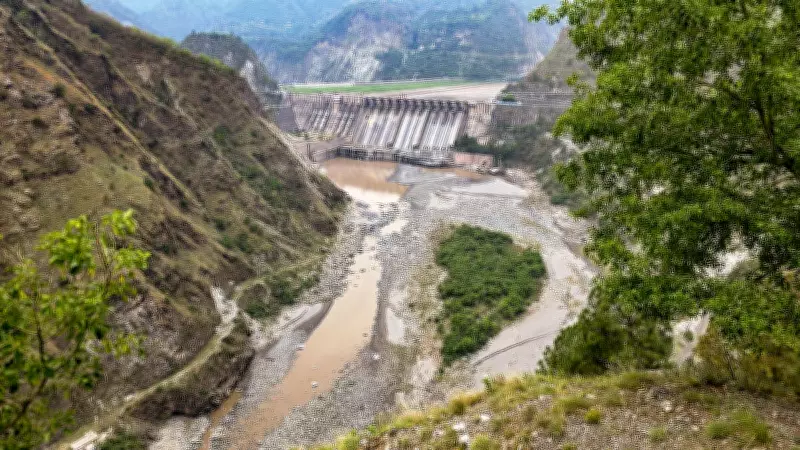
Jammu & Kashmir Moves to Revive Key Water Projects After Indus Treaty Suspension
In a significant development for water resource management, Jammu and Kashmir has taken decisive steps to restart the long-pending Tulbul and Chenab projects. This action follows India's recent suspension of the Indus Water Treaty (IWT) with Pakistan, a move that has reshaped regional water-sharing dynamics.
Background on the Indus Water Treaty and Its Suspension
The Indus Water Treaty, originally signed in 1960 between India and Pakistan, has historically regulated the sharing of water from the Indus river system. This comprehensive agreement allocated the eastern rivers—the Sutlej, Beas, and Ravi—to India, while the western rivers—the Indus, Jhelum, and Chenab—were designated for Pakistan, with certain usage rights granted to India. The treaty has been a cornerstone of bilateral relations, but recent geopolitical tensions led to its suspension by India, creating a new legal and operational framework for water management.
Revival of the Tulbul Project
The Tulbul project, also known as the Wular Barrage, is a critical initiative located on the Jhelum River in Jammu and Kashmir. Its primary objectives include improving navigation, enhancing water storage capacity, and supporting irrigation in the region. Previously stalled due to objections from Pakistan under the IWT, the project's revival is now seen as a strategic move to optimize local water resources. Authorities in Jammu and Kashmir are expediting plans to resume construction, which is expected to boost agricultural productivity and provide economic benefits to the area.

Progress on the Chenab Project
Similarly, the Chenab project focuses on harnessing the waters of the Chenab River, one of the major tributaries of the Indus system. This project aims to develop hydroelectric power and improve water availability for domestic and industrial use. With the suspension of the IWT, regulatory hurdles have been reduced, allowing Jammu and Kashmir to advance this project more freely. The revival is anticipated to contribute to energy security and water sustainability in the region, aligning with broader national goals for resource utilization.
Implications for Regional Water Management
The revival of these projects marks a pivotal shift in how Jammu and Kashmir manages its water resources post-IWT suspension. Key implications include:
- Enhanced Water Security: By restarting the Tulbul and Chenab projects, the region can better control and utilize its water supplies, reducing dependency on external agreements.
- Economic Development: These initiatives are poised to stimulate local economies through improved irrigation, increased hydropower generation, and job creation in construction and related sectors.
- Geopolitical Considerations: The move underscores India's assertive stance in water diplomacy, potentially influencing future negotiations with Pakistan and other neighboring countries.
- Environmental and Social Impact: Authorities must balance project benefits with environmental sustainability and community welfare, ensuring that revivals do not adversely affect ecosystems or local populations.
As Jammu and Kashmir moves forward with these revivals, stakeholders are closely monitoring the outcomes. The successful implementation of the Tulbul and Chenab projects could serve as a model for other regions seeking to optimize water resources in a changing geopolitical landscape. This development highlights the ongoing evolution of water management strategies in South Asia, driven by both domestic needs and international relations.






