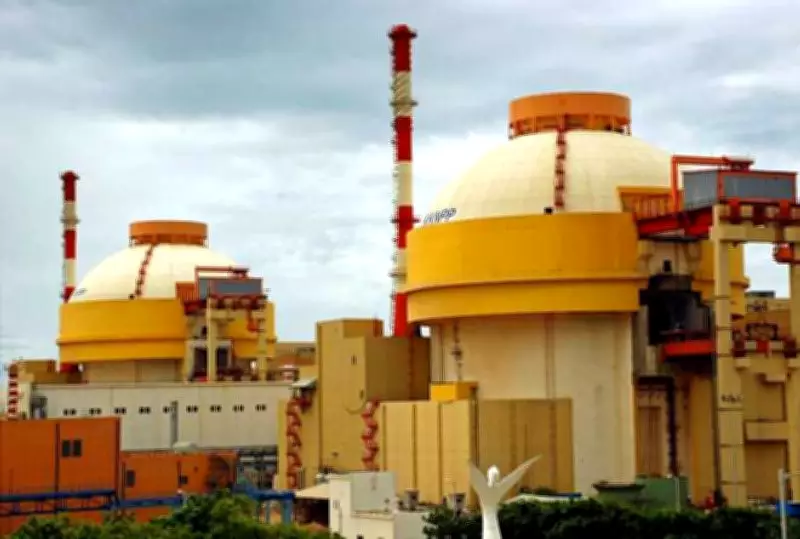
India's Nuclear Sector Achieves Landmark Milestone with Kalpakkam Reactors
In a significant development for India's energy landscape, the nuclear reactors at the Kalpakkam facility have successfully achieved criticality. This milestone marks a pivotal step forward in the nation's quest for enhanced energy security and sustainable power generation. The achievement underscores India's growing capabilities in the nuclear domain, positioning it as a key player in the global clean energy transition.
Technical Breakthrough and Operational Significance
The criticality of the Kalpakkam reactors represents a crucial technical breakthrough, indicating that the nuclear fission chain reaction has become self-sustaining. This operational status is essential for the reactors to begin generating electricity efficiently and reliably. Experts highlight that this advancement not only boosts India's domestic energy output but also demonstrates the robustness of its indigenous nuclear technology, developed through years of research and innovation.
Enhanced Energy Security and Economic Implications

With the Kalpakkam reactors now operational, India stands to significantly enhance its energy security by reducing reliance on fossil fuels and imported energy sources. This development is expected to contribute to a more stable and diversified energy mix, supporting economic growth and industrial development. Moreover, the increased nuclear capacity could help mitigate power shortages and provide a steady supply of electricity to households and businesses across the country.
Environmental Benefits and Clean Power Goals
The achievement aligns with India's ambitious clean power goals, as nuclear energy is a low-carbon source that can help combat climate change. By expanding its nuclear fleet, India aims to reduce greenhouse gas emissions and meet its international commitments under agreements like the Paris Accord. The Kalpakkam reactors' criticality thus represents a stride toward a greener and more sustainable energy future, balancing economic needs with environmental stewardship.
Future Prospects and Global Standing
Looking ahead, the success at Kalpakkam is likely to bolster India's standing in the global nuclear community, potentially opening doors for international collaborations and technology exports. It also sets the stage for further advancements in nuclear research and development, including next-generation reactor designs. As India continues to invest in this sector, such milestones are poised to play a critical role in shaping its energy independence and technological prowess on the world stage.