

Kashmir Politicians Unite in Condemning US-Israel Attacks, Mourning Ayatollah Khamenei
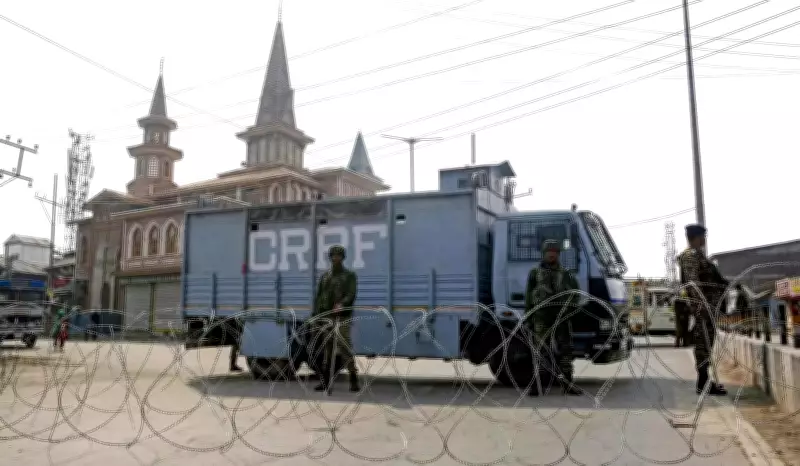
In a significant show of solidarity, politicians from various parties in Kashmir gathered in New Delhi on Monday to meet with Iranian Ambassador Mohammad Fathali. The meeting was convened to express profound grief and outrage over the killing of Ayatollah Ali Khamenei, which they attributed to what they termed as "barbaric" attacks by the United States and Israel. This gathering followed a week of widespread protests across Kashmir, where local communities demonstrated against the murder of the Iranian leader, highlighting the deep emotional and political resonance of the event in the region.
Expressions of Grief and Solidarity
Outside the Iranian embassy, PDP chief and former Jammu and Kashmir Chief Minister Mehbooba Mufti delivered a powerful statement, emphasizing the unwavering support of the Kashmiri people. "The people of Kashmir stand with the courageous and resilient people of Iran," she declared, underscoring a shared sense of resilience in the face of adversity. Her words echoed the sentiments of many in Kashmir, who have long identified with struggles against external pressures and conflicts.
Representatives from Chief Minister Omar Abdullah's National Conference (NC) also participated actively in the meeting. The party confirmed that its MPs, including Chowdry Mohammad Ramzan, Sajjad Ahmed Kichloo, and Gurwinder Singh Oberoi, met with Ambassador Fathali to convey their condolences. In a symbolic gesture of mourning, they signed a condolence book dedicated to Ayatollah Khamenei's "martyrdom," a term that reflects the high regard in which he is held by many in the region. This act not only honored the deceased leader but also reinforced the political and cultural ties between Kashmir and Iran.

Context and Implications
The meeting in New Delhi is part of a broader pattern of political engagement in Kashmir, where local leaders often voice concerns on international issues that resonate with their constituents. The condemnation of the US-Israel attacks as "barbaric" highlights the critical stance taken by Kashmiri politicians towards global powers, aligning with anti-imperialist sentiments prevalent in the area. This event underscores the interconnectedness of local and international politics, as Kashmir continues to navigate its complex geopolitical landscape.
As protests have subsided, the diplomatic outreach by Kashmiri politicians serves as a reminder of the region's active role in global discourse. The solidarity expressed with Iran may influence future diplomatic relations and domestic political dynamics in Kashmir, potentially shaping public opinion and policy discussions in the coming months.






