

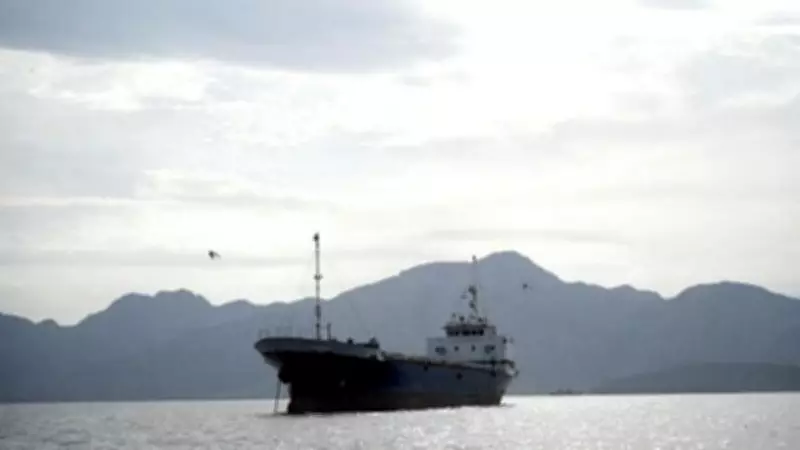
Parents of Kerala Native Stranded on Iranian Ship Make Desperate Plea for Government Intervention
The parents of a young seafarer from Kerala, who has been stranded on an Iranian cargo vessel for several months, have issued a heartfelt and urgent appeal to the Indian government for immediate assistance. The distressing situation has left the family in a state of constant anxiety, as they seek diplomatic intervention to secure their son's safe return home.
Details of the Stranding Incident
The Kerala native, whose identity has been withheld for privacy reasons, was working as a crew member on an Iranian-flagged cargo ship. According to reports, the vessel has been detained or held up due to unspecified operational or legal issues in Iranian waters, preventing the seafarer from disembarking or returning to India. This has resulted in him being effectively stranded on the ship for an extended period, with limited communication and uncertain living conditions.
The parents have highlighted that their son is facing significant hardships, including potential health risks and psychological stress from the prolonged confinement. They have expressed deep concern over the lack of clear information regarding his status and the timeline for resolution, which has compounded their worries.

Family's Appeal to Indian Authorities
In their appeal, the parents have called upon the Ministry of External Affairs and other relevant Indian authorities to take swift action. They are urging the government to engage with Iranian officials through diplomatic channels to facilitate the seafarer's repatriation. The family emphasizes that timely intervention is crucial to ensure his well-being and safe passage back to Kerala.
"We are living in fear every day, not knowing when our son will come home. We implore the government to help us bring him back safely," the parents stated in their plea, underscoring the emotional toll of the ordeal.Government Response and Broader Implications
While the Indian government has not yet issued an official statement on this specific case, such incidents often prompt calls for enhanced consular support for Indian nationals abroad, particularly seafarers who face unique vulnerabilities in international waters. This case sheds light on the challenges faced by maritime workers and the need for robust mechanisms to address their grievances during crises.
The situation also raises broader questions about the protection of Indian citizens overseas, especially in regions with complex geopolitical dynamics. Advocacy groups and maritime unions may step in to support the family's cause, pushing for a resolution that prioritizes humanitarian concerns.
As the appeal gains attention, it serves as a reminder of the critical role of government agencies in safeguarding the rights and safety of Indians working in global industries. The outcome of this case could influence future policies on seafarer welfare and diplomatic interventions in similar stranded scenarios.






