

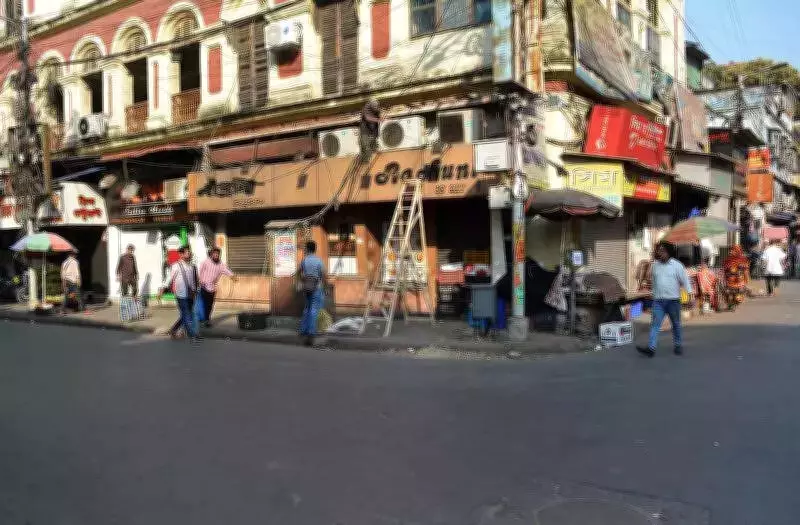
Kolkata's 'Mini Bangladesh' Enclave Erupts in Celebration Following BNP's Decisive Election Victory
Hope and palpable relief swept through the vibrant lanes of central Kolkata's "mini Bangladesh" on Friday as breaking news confirmed the Bangladesh Nationalist Party (BNP) had secured a commanding two-thirds majority in the February 12 general elections. The decisive verdict is being viewed by the local community as a potential turning point that could rejuvenate the cross-border tourism economy that sustains this unique neighborhood.
Business Community Eyes Revival After Prolonged Downturn
In the narrow, bustling corridors of Marquis Street, Free School Street, and Rafi Ahmed Kidwai Road, traders, hoteliers, and visiting Bangladeshi nationals expressed cautious optimism. For over 20 months, this commercial hub has suffered severe losses following political turmoil in Bangladesh that began in mid-2024 with the ouster of former Prime Minister Sheikh Hasina.
"We have been desperately waiting for stability," emphasized Hyder Ali Khan, General Secretary of the Free School Street Traders' Association. "Stability is the absolute foundation of business. Our entire community is praying that tourists will return to our streets and shops very soon."

S. Rahman, proprietor of Modern Book Store on Mirza Ghalib Street, echoed this sentiment, stating the election results had rekindled hope among the merchant class. "Our losses have been enormous during this period. If the new government can restore normalcy and streamline visa processes, we genuinely believe conditions can improve dramatically," Rahman explained.
A Neighborhood Built on Cross-Border Connections
This distinctive Kolkata pocket has thrived for years as a hub for visitors from Bangladesh. The area hosts over 250 budget hotels and guest houses, alongside numerous restaurants specializing in Bangladeshi cuisine, garment stores, travel agencies, and foreign exchange counters. However, tourism plummeted sharply after the political instability, with traders estimating footfall dropped to nearly 20% of previous levels.
A hotel owner on Marquis Street, who requested anonymity, revealed the stark reality: "Previously, our rooms were occupied year-round. Now, most of our guests are on medical visas, and even those numbers are severely limited." On Friday morning, television sets in hotel lobbies were tuned to live election coverage, while tourists in Kolkata on medical visas constantly refreshed their mobile devices for updates. Shopkeepers paused between customers to catch the latest news, and eateries buzzed with animated discussions about the scale of the BNP's victory.
Political Signals and Personal Hopes
Prime Minister Narendra Modi added to the optimistic atmosphere by posting on social media platform X, congratulating the BNP leadership and expressing hope for strengthened bilateral ties. Local traders found such diplomatic signals encouraging for future business prospects.
For Bangladeshi nationals currently in Kolkata, the day carried a complex mix of emotions. Mizbauddin Saikat from Khulna, who is accompanying his mother for medical treatment, spent the day closely following election results on his phone. "Like everyone back home, we are watching with great interest. Now we sincerely hope the situation becomes stable and peaceful," Saikat shared, reflecting the widespread desire for normalcy.
The community's collective anticipation now focuses on whether this political shift will translate into tangible economic recovery, smoother travel procedures, and the return of the vibrant cross-border exchange that once defined this colorful Kolkata neighborhood.






