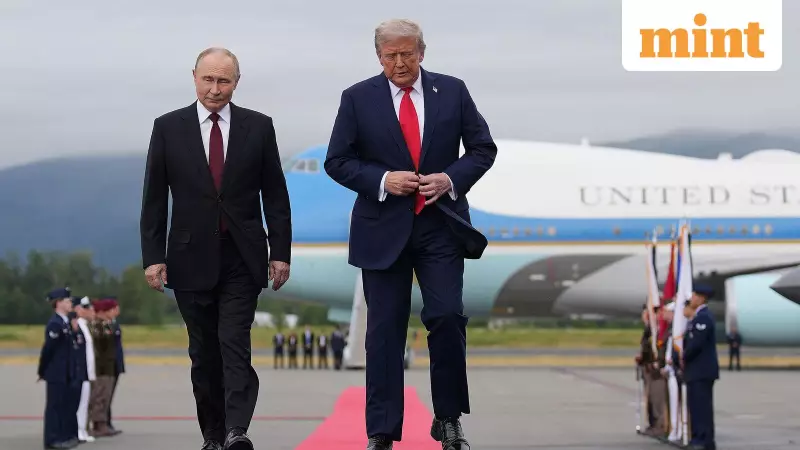
The Kremlin has reacted positively to a significant shift in the United States' official security posture, which has stopped labelling Russia as a "direct threat." Spokesman Dmitry Peskov welcomed the updated US national security strategy, calling the move a positive step that Moscow will analyse in detail.
Peskov's Positive Reaction to US Policy Shift
In remarks published by the Russian state news agency TASS on Sunday, Kremlin spokesperson Dmitry Peskov stated that the administration of US President Donald Trump had adopted a more conciliatory tone. The updated US policy document, released on Friday, dropped previous wording that described Russia as a direct threat. Instead, it called for limited cooperation with Moscow on issues of strategic stability.
"We considered this a positive step," Peskov said, according to the TASS report cited by Reuters. He added that Russia would examine the documents thoroughly in the coming days to draw broader conclusions. "We certainly need to look at it more closely and analyse it," the Kremlin spokesman emphasised.

Details of the Updated US National Security Strategy
The 29-page strategy document outlines a foreign policy vision of "flexible realism" for the Trump administration. It asserts that future US policy will be defined primarily by "what works for America," summarised in the phrase "America First."
While the strategy seeks a quick resolution to Russia's war in Ukraine and aims to re-establish "strategic stability" with Moscow, it simultaneously maintains that Russia's actions in Ukraine remain a central security concern. This update marks the first national security strategy released since President Trump's return to office in January. US law requires the administration to publish this document.
Context and International Reactions
The shift in language comes after years of US national security strategies labelling Russia a major threat, a stance solidified following Moscow's 2014 annexation of Crimea and its full-scale invasion of Ukraine in 2022. The new strategy was released amid a stalled US peace initiative that reportedly endorsed several of Russia's main demands in the nearly four-year-long conflict.
President Trump has frequently made admiring comments about Russian President Vladimir Putin, leading critics to accuse him of being soft on Moscow. His administration, however, has maintained sanctions related to Russia's actions in Ukraine.
European allies, who depend heavily on US military support to deter Russia, are watching this change closely. Many have expressed concern that softer US language could weaken collective efforts to confront Moscow while the war in Ukraine continues unabated.