

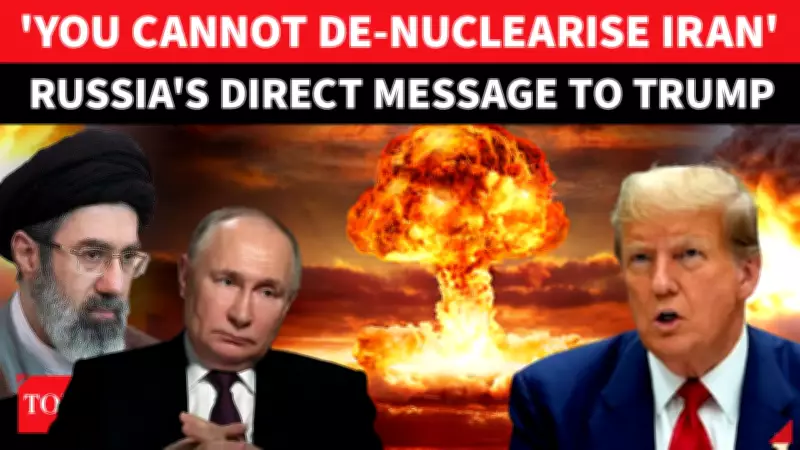
Russia's Lavrov Issues Firm Warning to U.S. Over Iran's Nuclear Rights in Beijing Statement
In a significant diplomatic development, Russian Foreign Minister Sergey Lavrov delivered a strong defense of Iran's nuclear program during a press conference in Beijing, explicitly warning the United States against interference. Lavrov emphasized that Iran possesses an "inalienable" right to enrich uranium for peaceful purposes under international norms, a stance that underscores Moscow's unwavering support for Tehran's sovereignty in nuclear matters.
Lavrov's Assertive Stance on Iran's Nuclear Sovereignty
Speaking to reporters, Lavrov articulated Russia's position clearly, stating that Moscow would back whatever approach Iran chooses regarding its nuclear program. This includes potential technical solutions, such as converting or storing enriched uranium, provided they are acceptable to Iran. The statement comes amid escalating tensions in the region, with recent reports highlighting Iran's retaliatory actions in the Red Sea and its use of Chinese spy satellites to monitor U.S. bases.
Lavrov's remarks serve as a direct response to U.S. policies under the Trump administration, which have included threats of limited strikes on Iran and a rejection of further talks. The Russian minister's warning aligns with Iran's own assertions, such as its explosive warning to Trump regarding the strategic Hormuz Strait, which it deems "non-negotiable."

Broader Implications for Regional and Global Stability
The timing of Lavrov's statement is critical, as it follows a series of provocative incidents:
- Iran's blockade retaliation in the Red Sea, challenging U.S. naval presence.
- Hezbollah's missile and drone strikes on Israeli military targets, resulting in injuries to IDF soldiers.
- Trump's public dismissal of diplomatic engagements with Iran, coupled with a spike in oil prices due to regional instability.
These events highlight the fragile state of affairs in the Middle East, where nuclear ambitions and military confrontations threaten to spiral into broader conflict. Lavrov's defense of Iran's rights not only reinforces Russia's strategic alliance with Tehran but also positions Moscow as a key player in mediating—or potentially exacerbating—the crisis.
International Reactions and Future Scenarios
The international community is closely monitoring these developments, with concerns over:
- The potential for escalated military actions, including U.S. strikes on Iranian facilities.
- Iran's leverage in regional conflicts, evidenced by Hezbollah's drone incursions into northern Israel.
- The impact on global energy markets, as oil prices remain volatile amid the uncertainty.
Lavrov's warning to the U.S. underscores a deepening divide between global powers, with Russia and China aligning in support of Iran's nuclear rights against Western pressures. As diplomatic channels strain, the risk of miscalculation grows, making Lavrov's call for respect of international norms both a plea for stability and a stark reminder of the high stakes involved.






