

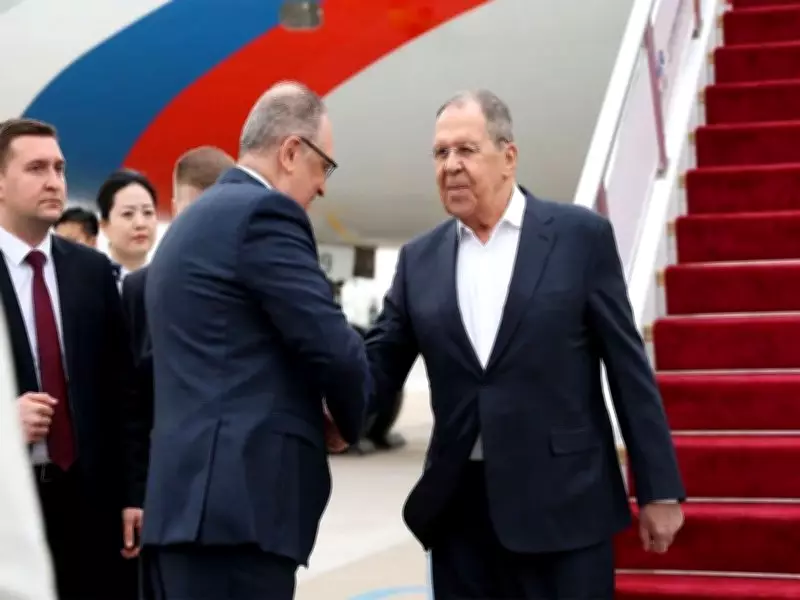
Russian Foreign Minister Sergey Lavrov Arrives in China for Strategic Talks
In a significant diplomatic move, Russian Foreign Minister Sergey Lavrov has landed in China for a series of high-level talks with Chinese officials. This visit comes at a critical juncture, as tensions in West Asia continue to escalate, drawing global attention to the region's stability and security dynamics.
Timing and Context of the Visit
The arrival of Lavrov in China is particularly noteworthy given the ongoing conflicts and geopolitical strains in West Asia. This region has been a focal point of international concern, with various nations seeking to mediate or influence outcomes. The timing suggests that Russia and China are keen to coordinate their positions and strategies, potentially to counter Western influence or address shared interests in maintaining regional order.
Historically, Russia and China have strengthened their bilateral ties in recent years, often presenting a united front on global issues. This visit underscores their commitment to deepening this partnership, especially in areas such as trade, security, and diplomatic cooperation. It also reflects their mutual desire to play a more assertive role in international affairs, particularly in regions like West Asia where their interests intersect.

Agenda and Key Discussion Points
The talks between Lavrov and Chinese officials are expected to cover a broad range of topics, with a primary focus on the situation in West Asia. Key discussion points likely include:
- Regional Stability: Strategies to de-escalate tensions and promote peace in West Asia, including potential diplomatic initiatives or joint statements.
- Bilateral Cooperation: Enhancing economic and military ties between Russia and China, such as through trade agreements or defense collaborations.
- International Relations: Coordinating responses to Western policies and actions, particularly those related to sanctions or interventions in West Asia.
- Global Governance: Discussions on reforming international institutions like the United Nations to better reflect their interests and values.
Additionally, the talks may touch upon other pressing global issues, such as climate change, cybersecurity, and the ongoing conflict in Ukraine, where both nations have maintained a nuanced stance. The outcome of these discussions could have far-reaching implications for global diplomacy and the balance of power.
Implications for West Asia and Beyond
The Lavrov visit to China holds significant implications for West Asia and the broader international community. By aligning their positions, Russia and China could influence the trajectory of conflicts in the region, potentially offering alternative solutions to those proposed by Western powers. This could lead to increased diplomatic leverage for both nations, as they seek to shape outcomes in their favor.
Moreover, this meeting signals a continued shift towards a multipolar world order, where traditional Western dominance is challenged by emerging alliances. It highlights the growing importance of Russia-China relations in global politics, with both countries leveraging their economic and military capabilities to assert their influence. Observers will be closely watching for any joint initiatives or statements that emerge from the talks, as these could signal new directions in international relations.
In conclusion, Sergey Lavrov's arrival in China for talks amidst West Asia tensions marks a pivotal moment in contemporary diplomacy. It underscores the strategic partnership between Russia and China and their shared commitment to addressing regional and global challenges. As the world watches, the outcomes of these discussions could reshape geopolitical dynamics and offer insights into the future of international cooperation.






