

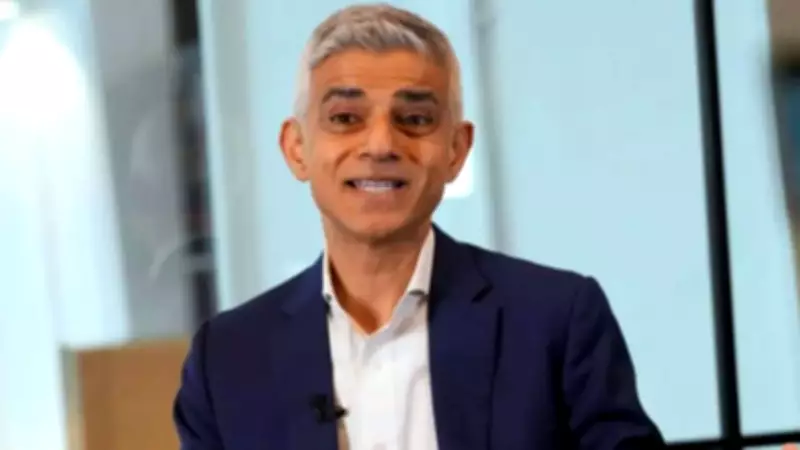
London Mayor Sadiq Khan Proposes New Charges for Large SUVs to Enhance Road Safety
Drivers of large sport utility vehicles (SUVs) in London may soon face additional fees for using the city's roads, as Mayor Sadiq Khan evaluates new measures targeting what critics often refer to as "Chelsea tractors." This proposal is a key component of Transport for London's (TfL) updated Vision Zero action plan, which aims to completely eliminate deaths and serious injuries on the capital's roads by 2041. Officials have expressed concerns that the increasing size and popularity of SUVs could pose heightened risks to pedestrians and cyclists, prompting a review of potential regulatory actions.
Safety Risks Associated with Large SUVs
According to the Vision Zero plan, large SUVs can make streets more dangerous due to their greater height, width, and weight, which significantly increase the severity of collisions. Studies referenced in the report indicate that pedestrians and cyclists are 14 percent more likely to die in a crash involving an SUV compared to accidents with smaller vehicles. Furthermore, children face a staggering 77 percent higher likelihood of suffering fatal injuries in such incidents. The document suggests that authorities may examine whether additional charges or levies should apply to larger vehicles entering London, although no final policy decision has been announced yet.
TfL has stated that it will build a stronger evidence base on the impact of "oversized and heavier vehicles" on safety, congestion, and the environment before making any determinations. Campaigners argue that the rapid rise of SUVs is reshaping urban streets, with data from the Clean Cities campaign group showing a dramatic increase from about 80,000 SUVs in London in 2002 to nearly 800,000 in 2023. The Vision Zero plan also notes that many newer cars are now too wide for standard parking spaces, occupying more road area and sometimes obstructing sight lines at junctions or crossings.

Broader Road Safety Initiatives and Potential Levy
In addition to the potential SUV levy, TfL is considering expanding 20mph zones across the city. Plans include converting another 35 miles of roads currently limited to 30mph to 20mph by 2030, while speed limits on some major roads may be reduced from 50mph to 40mph by 2035. Authorities also intend to deploy AI-enabled cameras to detect traffic violations such as speeding, drivers using mobile phones, or failing to wear seatbelts. Public buses may be equipped with Intelligent Speed Assist technology, which can automatically limit engine power if the vehicle exceeds speed limits.
These latest proposals are part of a broader push by Mayor Khan to curb pollution and improve road safety in the capital. Recent measures have included expanding the Ultra Low Emission Zone (ULEZ) across Greater London and raising the congestion charge to £18 per day. Drivers of vehicles that do not meet ULEZ emissions standards must pay £12.50 each day they enter the zone unless exempt. TfL reports that road deaths and serious injuries in London have decreased by about a quarter over the past decade, suggesting that current policies are contributing to improved safety outcomes.
Political Criticism and Public Debate
However, the proposals have sparked significant political criticism, with opponents labeling them as "anti-driver" policies that risk making driving unaffordable for many residents. Opposition politicians have accused the mayor of "pricing people off the roads," arguing that the expanding charges effectively turn driving into a luxury activity. A spokesperson for Mayor Khan defended the review, emphasizing the growing evidence of safety risks linked to large SUVs.
"As the number of these vehicles increases on London’s roads, it is right for TfL to assess their impact on safety and consider appropriate responses," the spokesperson stated. The debate highlights the ongoing tension between urban safety initiatives and the accessibility of personal transportation in a major metropolitan area like London.






