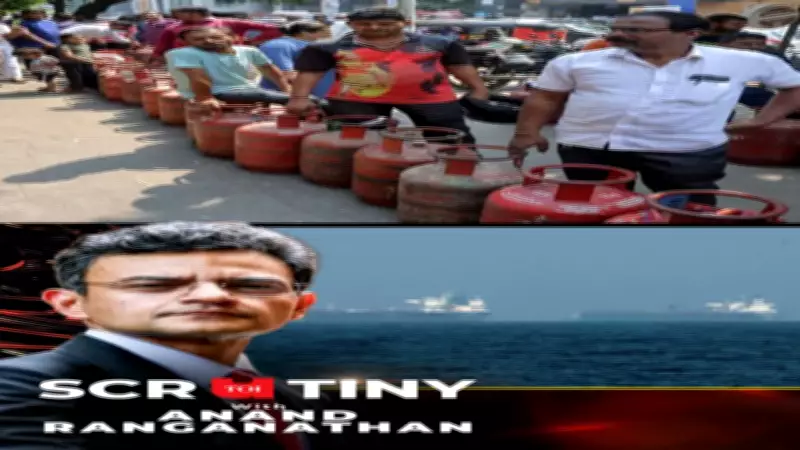
LPG Crisis as a Strategic Opportunity: Anand Ranganathan on Hormuz Blockade and India's Energy Security
In a recent analysis, commentator Anand Ranganathan highlighted the ongoing LPG crisis, triggered by the blockade of the Hormuz Strait, as a pivotal moment for India to reassess and fortify its energy security framework. The blockade, which has disrupted global oil and gas shipments, poses immediate challenges but also unveils a critical opportunity for India to diversify its energy sources and reduce dependency on volatile regions.
The Hormuz Blockade and Its Impact on India
The Hormuz Strait, a vital maritime chokepoint, facilitates the transit of approximately one-fifth of the world's oil and a significant portion of liquefied petroleum gas (LPG). The recent blockade has led to supply chain disruptions, causing price volatility and potential shortages in India, which imports a substantial share of its LPG from the Middle East. Ranganathan emphasizes that this situation underscores India's vulnerability to geopolitical tensions in the region.
Key points from his analysis include:

- The blockade exposes India's heavy reliance on imported LPG, making it susceptible to external shocks.
- It highlights the need for India to accelerate investments in domestic production and alternative energy sources.
- The crisis could serve as a catalyst for policy reforms aimed at enhancing energy independence.
Turning Crisis into Opportunity
Ranganathan argues that the LPG crisis should be viewed not merely as a threat but as a strategic opening. He suggests that India can leverage this moment to:
- Diversify Energy Imports: Explore partnerships with other global suppliers to reduce dependency on the Middle East.
- Boost Domestic Production: Invest in technologies and infrastructure to increase LPG output within India.
- Promote Renewable Alternatives: Accelerate the adoption of cleaner energy solutions to mitigate future risks.
By taking proactive measures, India can transform this challenge into a long-term advantage, ensuring a more resilient energy sector.
Implications for India's Energy Policy
The discussion underscores the urgency for India to revise its energy security strategy. Ranganathan calls for a comprehensive approach that includes:
- Strengthening strategic reserves to buffer against supply disruptions.
- Enhancing diplomatic efforts to secure stable energy partnerships globally.
- Fostering innovation in energy storage and distribution systems.
In conclusion, Anand Ranganathan's insights remind us that crises like the Hormuz blockade are not just obstacles but opportunities for growth and transformation. India's response to the LPG crisis will be crucial in shaping its energy future and safeguarding national interests.