

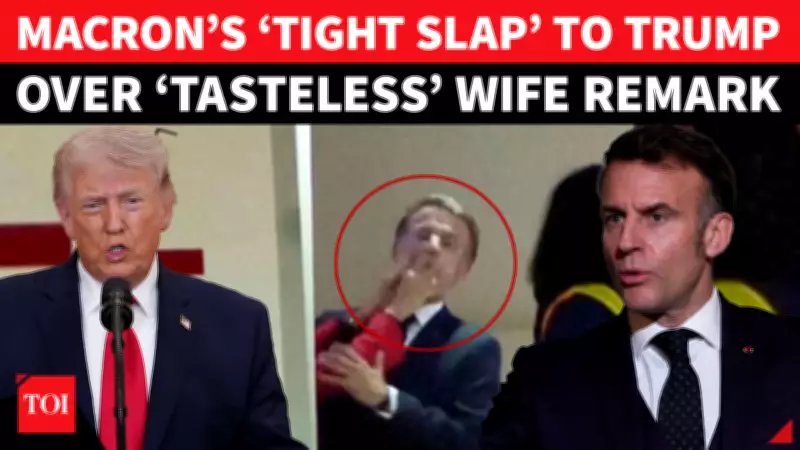
Diplomatic Lunch Turns Into Public Spat Between Macron And Trump
What was intended as a private diplomatic lunch in Washington has erupted into a major international controversy, with French President Emmanuel Macron delivering a sharp rebuke to former U.S. President Donald Trump after personal attacks during their meeting. The incident has exposed significant tensions between the two traditional allies at a time when global cooperation faces numerous challenges.
Trump's Mockery Sparks French Fury
According to multiple sources familiar with the private gathering, Donald Trump openly mocked Emmanuel Macron's leadership style, questioned his political decisions, and made disparaging comments about the French president's marriage to Brigitte Macron. The former U.S. president reportedly made remarks suggesting Macron's wife would "slap him" for his political positions, crossing what many consider appropriate diplomatic boundaries.
The personal nature of Trump's comments has particularly angered French officials, who view such attacks as unacceptable between leaders of allied nations. Macron's response was reportedly immediate and forceful during the lunch itself, with the French president defending both his personal life and his government's policies.

Macron's Official Response: "Hold Your Tongue!"
Following the private confrontation, Emmanuel Macron has now issued a more formal public response through official channels. The French president's office released a statement condemning what they called "unacceptable personal attacks" and emphasizing that diplomatic discussions should focus on substantive policy matters rather than personal mockery.
The statement specifically referenced the need for respectful dialogue between allies, noting that France and the United States share important strategic interests that should not be undermined by personal animosity. While not directly quoting Macron, sources indicate the French president told Trump to "hold your tongue" regarding personal matters during their heated exchange.
Broader Implications For France-US Relations
This public spat comes at a particularly sensitive time in international relations, with multiple global crises demanding coordinated responses from Western allies. Observers note several concerning implications:
- Diplomatic protocol breakdown: The public nature of this disagreement represents a significant departure from traditional diplomatic norms between close allies
- Policy coordination challenges: Ongoing cooperation on issues like Ukraine, Middle East stability, and economic policy may face new obstacles
- Alliance credibility questions: Other nations may question the strength of the France-US partnership following such public discord
- Personal diplomacy concerns: The incident highlights risks when international relations become overly dependent on personal relationships between leaders
Historical Context Of France-US Tensions
While France and the United States have been allies for centuries, their relationship has experienced periodic tensions under different administrations. Previous disagreements have included:
- The 2003 disagreement over the Iraq War, when France opposed military intervention
- Trade disputes during the Trump presidency, including tariffs on French products
- Differences over climate policy and international agreements
- Varying approaches to relations with Russia and China
What makes this current conflict particularly notable is the personal dimension added to traditional policy disagreements. Previous tensions have typically remained focused on substantive policy differences rather than descending into personal attacks between leaders.
International Reactions And Next Steps
European allies have largely expressed support for Macron's position, with several diplomats privately expressing concern about the erosion of diplomatic norms. The incident has sparked broader discussions about appropriate conduct between world leaders, even during private meetings.

Looking forward, both French and American officials will need to navigate repairing this diplomatic breach while maintaining essential cooperation on global challenges. The coming weeks will reveal whether this represents a temporary flare-up or signals more fundamental problems in the transatlantic relationship that could impact international stability and cooperation on pressing global issues.





