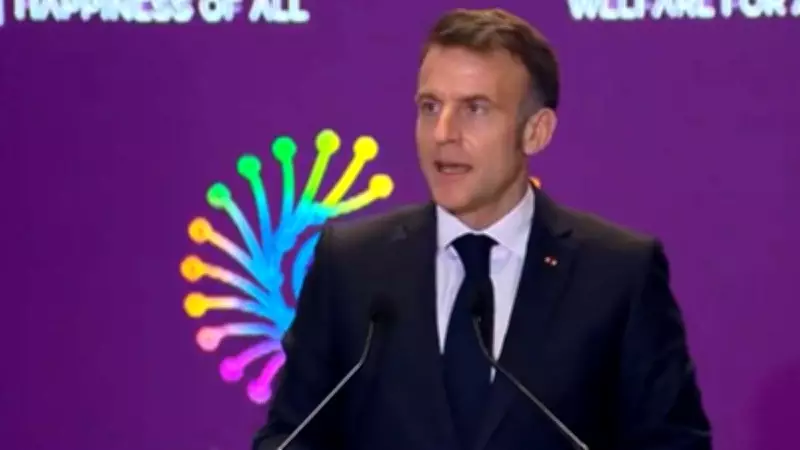
Macron Hints India May Ban Social Media for Children Under 15, Urges PM Modi to Join Global Initiative
French President Emmanuel Macron has publicly hinted that India might consider implementing a ban on social media platforms for children under the age of 15. In a notable statement, Macron extended an invitation to Prime Minister Narendra Modi, suggesting India could join what he termed a "club" of nations taking decisive action to protect young minds from the potential harms of digital exposure.
A Call for Global Action by 2026
Macron's remarks point towards a coordinated international effort, with a target timeline set for the year 2026. The initiative aims to establish stricter regulations or outright prohibitions on social media access for pre-teens and early teenagers. This move is framed as a critical step in safeguarding the mental and emotional well-being of the younger generation, who are increasingly vulnerable to issues like cyberbullying, addiction, and exposure to inappropriate content online.
The French leader's comments highlight a growing global consensus among policymakers about the urgent need to address the digital safety of children. While France has been at the forefront of discussing such measures within the European context, Macron's direct outreach to India signals an ambition to expand this conversation to major global economies and diverse cultural landscapes.

India's Potential Role in Digital Child Protection
Macron's suggestion places India, with its vast and rapidly digitizing population of young people, at the center of this proposed global framework. The implication is that India's participation would lend significant weight and legitimacy to the international initiative. This development comes amid ongoing debates in India about screen time, digital literacy, and online safety for minors, though no formal proposal for an under-15 ban has been announced by the Indian government.
The proposition raises important questions about implementation, enforcement, and the balance between protection and digital access. Potential challenges include verifying users' ages online, the role of parental consent, and the impact on educational tools that utilize social platforms.
Broader Implications for Tech Policy and Youth Well-being
This dialogue initiated by Macron reflects a pivotal shift in how nations are approaching technology governance, particularly concerning vulnerable demographics. Key aspects of this emerging policy focus include:
- Mental Health Prioritization: Explicitly linking social media use to psychological health outcomes for children and adolescents.
- Regulatory Innovation: Exploring age-based access restrictions as a novel form of digital consumer protection.
- International Cooperation: Building multilateral agreements to manage cross-border digital platforms effectively.
- Parental and Educational Support: Potentially necessitating enhanced resources for families and schools to navigate a more restricted digital environment for youth.
As the 2026 horizon approaches, the global community will be watching closely to see if India, under PM Modi's leadership, aligns with this vision for a more controlled digital ecosystem for minors. Macron's overture has undoubtedly amplified a critical conversation about childhood in the digital age, with potential ramifications for tech companies, policymakers, and families worldwide.