Mahanadi Water Disputes Tribunal Launches Five-Day Inspection Tour in Odisha
A high-level delegation from the Mahanadi Water Disputes Tribunal, under the leadership of chairperson Justice Bela M Trivedi, commenced a comprehensive five-day visit to Odisha on Thursday. The primary objective of this extensive tour is to conduct detailed on-ground assessments at multiple strategic locations along the Mahanadi River and its coastal stretches.
Official Statements and State Interests
Odisha advocate general Pitambar Acharya, who accompanied the tribunal team in Jharsuguda, provided insights into the visit's purpose. He emphasized that all actions taken during this inspection are aligned with safeguarding Odisha's interests. "Whatever is being done is in the interest of Odisha. The issue will be resolved by protecting the state's interests," Acharya stated, highlighting the state government's commitment to ensuring a fair outcome in the ongoing water-sharing dispute with Chhattisgarh.
Scope of the Tribunal's Work
According to reliable sources, the tribunal is specifically tasked with adjudicating the long-standing Odisha-Chhattisgarh dispute over the equitable sharing of Mahanadi River waters. During this visit, the delegation plans to inspect numerous sites along the river and coastal areas to thoroughly review ground conditions. This hands-on assessment is crucial for gathering firsthand data that will inform the tribunal's final decisions, aiming to address the complex hydrological and environmental challenges associated with water allocation.

Protests and Criticism from Activists
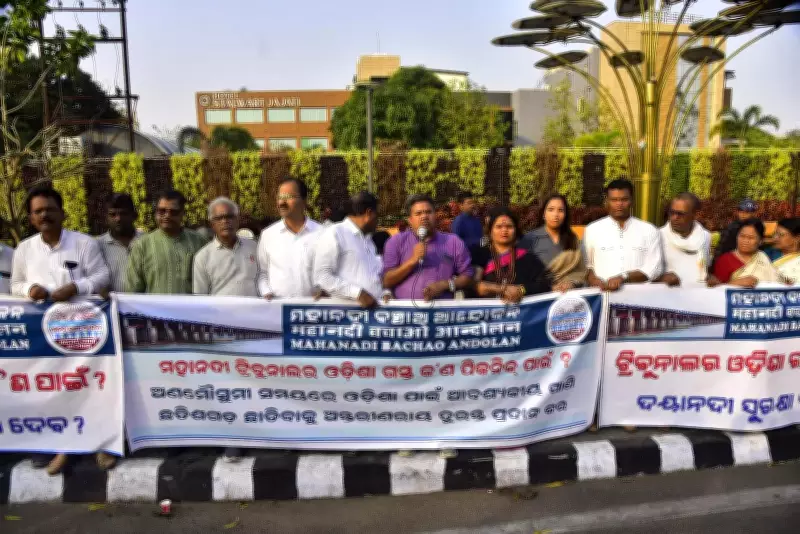
Meanwhile, the visit has not been without controversy. Members of the Mahanadi Bachao Andolan (MBA), a prominent activist group, staged a protest in Bhubaneswar, voicing strong criticism against what they described as a "luxurious and expensive tour" by tribunal members. The protesters alleged that family members accompanied some tribunal officials, raising concerns about the trip's extravagance.
The outfit further pointed to financial issues, claiming that during the tribunal's previous visit in 2023, the Odisha government had expended approximately Rs 5 crore. With the tribunal's tenure scheduled to conclude next April, the MBA has expressed firm opposition to what they perceive as "another extravagant trip," arguing that such expenditures are unnecessary and could be better allocated to addressing the core water-sharing issues.
This development adds a layer of public scrutiny to the tribunal's activities, as stakeholders from both governmental and civil society sectors closely monitor the proceedings. The inspection tour is expected to play a pivotal role in shaping the tribunal's recommendations, with outcomes that could significantly impact regional water management and inter-state relations in the coming months.