

Modi Invokes Savarkar in Macron Talks, Vivekananda Centre to Open in Paris
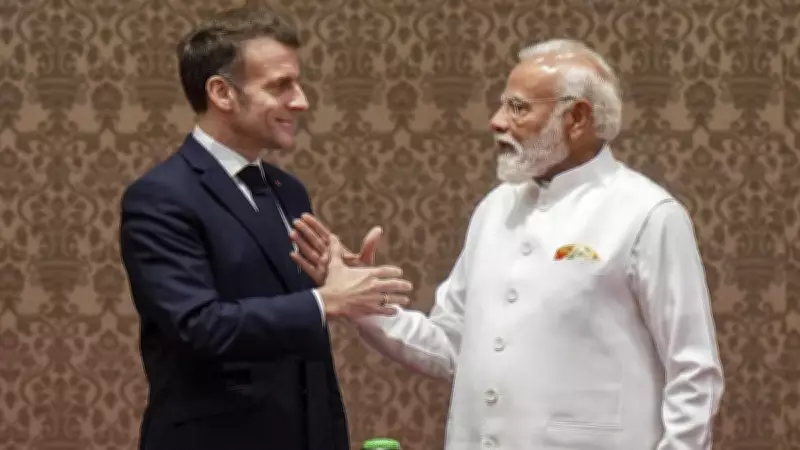
In a significant diplomatic and cultural development, Prime Minister Narendra Modi invoked the legacy of Veer Savarkar during high-level talks with French President Emmanuel Macron. The discussions, held recently, also led to the announcement of a new Swami Vivekananda cultural centre set to open in Paris soon, marking a tribute to the spiritual leader's historic visit to the city in 1900.
Diplomatic Dialogue and Historical References
During the bilateral meeting, Prime Minister Modi referenced Veer Savarkar, a key figure in India's independence movement, highlighting his contributions and ideological influence. This invocation underscores the government's emphasis on nationalist narratives in foreign policy engagements. The talks with President Macron covered a range of issues, including strategic partnerships and cultural exchanges, with the Vivekananda centre emerging as a focal point for strengthening Indo-French ties.
Swami Vivekananda's Paris Legacy
Swami Vivekananda traveled to Paris in 1900 to attend the Congress of the History of Religions, an event that showcased his teachings on Vedanta and Hinduism to a global audience. The upcoming cultural centre in Paris aims to honor this legacy by promoting Indian philosophy, arts, and heritage. It will serve as a hub for cultural activities, educational programs, and community engagement, fostering deeper connections between India and France.

Cultural Centre Details and Impact
The Swami Vivekananda cultural centre is expected to open in the coming months, with plans for exhibitions, workshops, and lectures that reflect his life and work. This initiative aligns with India's broader efforts to project its soft power internationally, leveraging historical figures to enhance cultural diplomacy. By establishing such centres abroad, the government seeks to create lasting impressions of India's rich traditions and modern aspirations.
Broader Implications and Future Prospects
This announcement comes amid ongoing efforts to bolster India's global presence through cultural and diplomatic channels. The invocation of Savarkar in talks with Macron may signal a shift towards more assertive foreign policy stances, while the Vivekananda centre represents a softer, educational approach. Together, these moves could pave the way for increased collaboration in areas like education, tourism, and mutual understanding between the two nations.
As preparations for the centre's opening advance, stakeholders anticipate it will become a landmark for cultural exchange, drawing visitors and scholars interested in Indian spirituality and history. This development not only commemorates Vivekananda's journey but also reinforces the enduring bonds between India and France, setting a precedent for future initiatives in global cultural outreach.

