

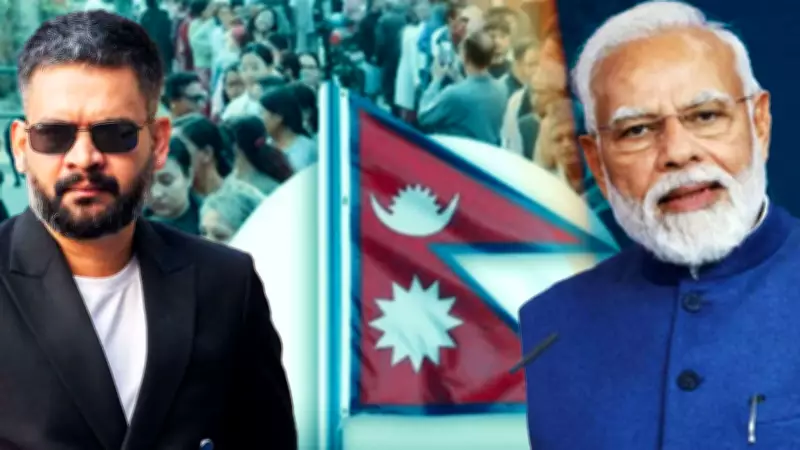
PM Modi Signals Diplomatic Reset as Balen Shah's Nepal Victory Alters Regional Landscape
A dramatic and potentially transformative political shift in Nepal is receiving intense strategic attention from Indian policymakers and diplomatic circles. Prime Minister Narendra Modi has extended formal congratulations to leaders of the Rastriya Swatantra Party following their remarkable and unexpected electoral performance, which includes the rising political star Balendra Shah, commonly known as Balen Shah.
Electoral Earthquake in Nepal's Political Arena
The Rastriya Swatantra Party's surge in both direct constituency contests and proportional representation voting indicates it could secure approximately 164 seats in Nepal's 275-member House of Representatives. This commanding position places the party comfortably above the crucial majority threshold, enabling it to form a stable government without requiring complex coalition arrangements.
This electoral outcome represents more than just a change in governing parties—it signals the accelerating decline of Nepal's traditional political establishments and the dramatic ascent of a new generation of leaders who are reshaping the country's political identity and priorities.

Strategic Implications for India-Nepal Relations
For India, the implications of this political transformation are profound and multifaceted. The two neighboring nations share an extensive 1,800-kilometre open border that facilitates movement of people and goods, deep economic interdependence through trade and investment channels, and centuries-old cultural and religious connections that form the bedrock of their relationship.
However, recent years have witnessed periodic tensions and diplomatic friction over several contentious issues, including territorial disputes concerning Kalapani, Lipulekh Pass, and Limpiyadhura. These challenges have occasionally strained the otherwise close bilateral ties between the two countries.
Navigating the "Nepal First" Political Paradigm
As Balen Shah's "Nepal First" political philosophy gains substantial momentum and popular support, New Delhi faces the complex diplomatic task of navigating this transformed political landscape. The Indian government must develop nuanced engagement strategies that acknowledge Nepal's evolving political realities while simultaneously working to ensure that bilateral relations continue progressing toward greater stability, mutual benefit, and enhanced strategic cooperation.
Prime Minister Modi's prompt congratulatory message represents an early diplomatic outreach aimed at establishing positive communication channels with Nepal's emerging political leadership. This proactive approach demonstrates India's recognition of the significance of this political transition and its commitment to maintaining constructive bilateral relations despite changing political dynamics in Kathmandu.
The coming months will likely see intensified diplomatic exchanges, high-level visits, and renewed efforts to address outstanding bilateral issues as both nations work to redefine their relationship within this new political context. India's ability to adapt its diplomatic approach while preserving core strategic interests will be crucial in determining the future trajectory of this vital regional partnership.






