Prime Minister Narendra Modi's decision to personally welcome Russian President Vladimir Putin at the airport in New Delhi has been interpreted as a powerful diplomatic statement, highlighting the enduring strength of the bilateral relationship. The gesture, which occurred during Putin's recent visit for the annual India-Russia summit, moved beyond standard protocol and sent a clear message to global observers.
A Gesture Laden with Strategic Meaning
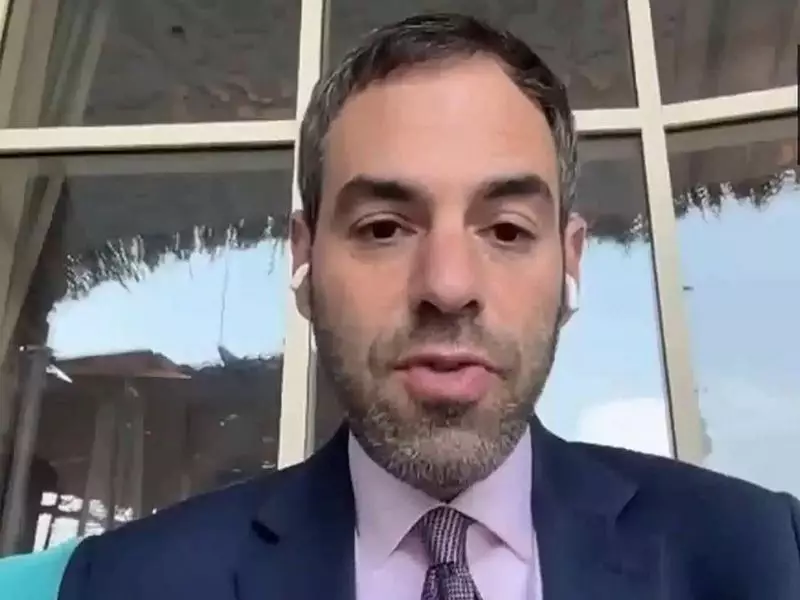
South Asia analyst Michael Kugelman, Deputy Director of the Asia Program at the Wilson Center, emphasized the significance of the act. He noted that while receiving a foreign leader at the airport is not an everyday occurrence for a head of government, PM Modi's move was a deliberate and calculated signal. This personal welcome demonstrated the high priority India places on its partnership with Moscow, especially in a complex international landscape where geopolitical alliances are constantly shifting.
The analysis points out that such a reception is typically reserved for the closest allies or under special circumstances. By extending this courtesy to President Putin, India reinforced the unique and time-tested nature of the India-Russia relationship. This comes at a time when Russia faces intense scrutiny and pressure from Western nations over the conflict in Ukraine, making India's visible warmth a subject of global analysis.

Context of the Bilateral Engagement
The airport welcome was the prelude to the 21st India-Russia annual summit, a key institutional dialogue mechanism between the two nations. The summit agenda was packed with discussions on defence cooperation, trade, energy security, and geopolitical coordination. Both leaders reviewed the progress of longstanding initiatives and explored new areas of collaboration, aiming to deepen the Special and Privileged Strategic Partnership.
Defence deals, including the supply of the S-400 missile systems and joint military production, were central to the talks. Additionally, with global energy markets in flux, discussions on increasing Russian oil exports to India and cooperation in nuclear energy were pivotal. The leaders also exchanged views on major international issues, including the situation in Afghanistan and the broader Indo-Pacific region.
Implications for Global Diplomacy
Kugelman's interpretation suggests that India's move was also a signal of its strategic autonomy. Despite pressure from Quad partners like the United States to distance itself from Russia, India has maintained a balanced foreign policy. The personal reception for Putin underscores India's intent to make independent decisions based on its national interest and historical ties.
This diplomatic manoeuvre is seen as India asserting its position as a major global player capable of managing relationships with all major powers simultaneously. It reinforces that the India-Russia relationship, built over decades, remains a cornerstone of India's foreign policy, unaffected by transient geopolitical currents. The gesture assures Moscow of New Delhi's commitment while reminding other capitals of India's independent strategic calculus.
In conclusion, the simple act of a leader's welcome transcended protocol to become a subject of intense geopolitical scrutiny. PM Modi's personal reception of President Putin served as a robust, visible affirmation of a relationship that continues to be of paramount importance to both nations, demonstrating that some partnerships are resilient enough to withstand the tests of a changing world order.