

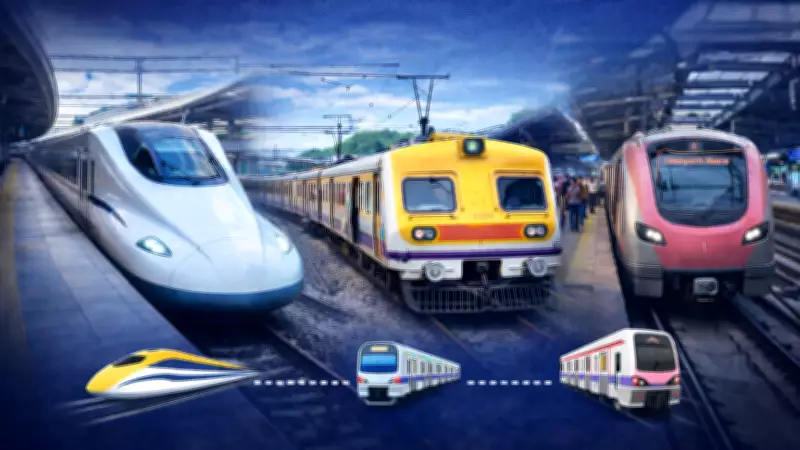
Railways Eyes Multi-Modal Integration for Bullet Train Stations with Mumbai Local Trains and Metro
The Ministry of Railways is actively planning comprehensive multi-modal integration for the Mumbai-Ahmedabad bullet train stations, aiming to create seamless connectivity with Mumbai's existing suburban railway network and upcoming metro lines. This strategic move is designed to enhance passenger convenience and optimize transportation efficiency for one of India's most ambitious infrastructure projects.
Project Overview and Japanese Collaboration
The 508-kilometer Mumbai–Ahmedabad High Speed Rail (MAHSR) project represents a significant leap in India's transportation infrastructure. This transformative initiative is being implemented with both technical expertise and financial assistance from the Government of Japan, marking a crucial international partnership in advancing India's rail modernization efforts.
The bullet train corridor will traverse through multiple regions, including Gujarat, Maharashtra, and the Union Territory of Dadra & Nagar Haveli, connecting major urban centers along the western corridor of the country.

Parliamentary Announcement and Integration Details
In a written statement presented in the Lok Sabha on Wednesday, February 4, Railway Minister Ashwini Vaishnaw outlined the government's vision for passenger connectivity. The integration plan specifically includes convenient pedestrian access at the Bandra Kurla Complex (BKC) station, connecting with Metro Line-2B and Metro Line-3, creating a truly interconnected transportation hub.
The minister was responding to queries from several Lok Sabha members who sought detailed updates on the project's progress, including timelines for trial runs on the crucial Vapi–Virar–BKC section. This parliamentary exchange underscores the national importance and political attention surrounding this landmark infrastructure development.
Station Network and Geographical Spread
The Mumbai-Ahmedabad bullet train project features an extensive network of 12 strategically located stations:
- Mumbai
- Thane
- Virar
- Boisar
- Vapi
- Billimora
- Surat
- Bharuch
- Vadodara
- Anand
- Ahmedabad
- Sabarmati
This comprehensive station network is designed to serve both major metropolitan areas and important intermediate cities along the corridor, potentially transforming regional connectivity and economic integration.
Current Construction Progress and Milestones
The project has achieved significant construction milestones across various components:
Station Development: Foundation works have been successfully completed at eight stations including Vapi, Bilimora, Surat, Bharuch, Anand, Vadodara, Ahmedabad, and Sabarmati. In Maharashtra, foundation work continues at three stations (Thane, Virar, Boisar), while excavation at BKC station nears completion with casting of the base slab already initiated.
Bridge Construction: Seventeen river bridges have been completed, with advanced work progressing on four major river bridges in Gujarat (Narmada, Mahi, Tapti, and Sabarmati) and ongoing work on four river bridges in Maharashtra.
Depot Development: Work on maintenance depots at Thane, Surat, and Sabarmati is proceeding at full pace, ensuring adequate support infrastructure for the high-speed rail operations.
State-wise Physical Progress Breakdown
Gujarat Section Progress:
- Foundation: 352 kilometers completed
- Piers: 352 kilometers completed
- Girder Casting: 342 kilometers completed
- Girder Launching: 331 kilometers completed
- Track Bed Construction: 152 kilometers completed
- OHE Masts Erection: 121 kilometers completed
Maharashtra Section Progress:

- Foundation: 74 kilometers completed
- Piers: 65 kilometers completed
- Girder Casting: 9 kilometers completed
- Girder Launching: 3 kilometers completed
Project Complexity and Timeline Considerations
Railway Minister Ashwini Vaishnaw emphasized the sophisticated nature of this undertaking, describing the bullet train project as "a very complex and technology intensive Project." He clarified that definitive completion timelines can only be reasonably determined after the comprehensive conclusion of all associated works, including civil structures, track installation, electrical systems, signaling and telecommunication infrastructure, and the supply of trainsets.
This cautious approach reflects the technical challenges inherent in implementing cutting-edge high-speed rail technology while maintaining the highest standards of safety and reliability that passengers expect from such a transformative transportation system.





