

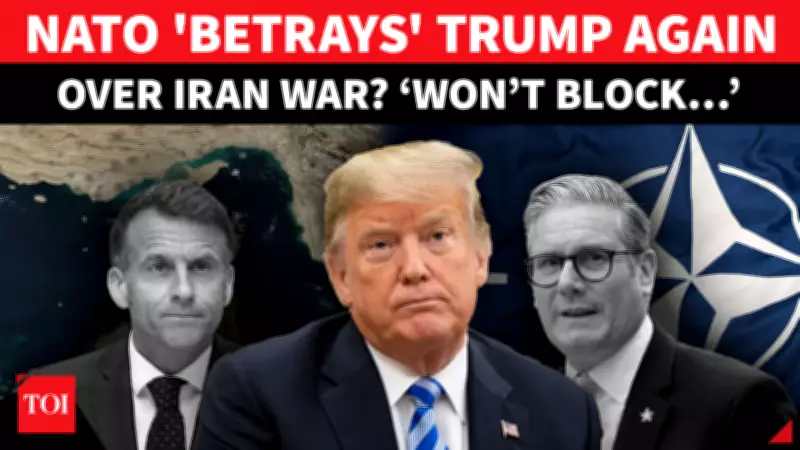
NATO Allies Reject Trump's Iran Blockade, Escalating Alliance Tensions
In a significant diplomatic rebuke, former US President Donald Trump has been openly snubbed by his NATO allies as several member nations refused to participate in his proposed blockade of Iranian ports. The refusal marks another critical point of confrontation within the military alliance, with Trump reportedly considering withdrawal as a potential response.
European Powers Chart Independent Course
Key NATO members, including Britain and France, have explicitly stated they will not be drawn into the escalating conflict by joining the blockade initiative. Instead, these European powers are pursuing their own diplomatic and strategic approach. They have announced they are working on an alternative initiative focused on opening the vital Strait of Hormuz, through which approximately twenty percent of global oil supplies normally pass.
This coordinated refusal represents a direct challenge to Trump's foreign policy directives and highlights the growing rift between the former president and traditional American allies. The situation has created what observers describe as a dangerous showdown, with Trump's withdrawal threats adding unprecedented pressure to NATO's unity and operational coherence.

The Strategic Stakes at Hormuz
The Strait of Hormuz remains one of the world's most critical maritime chokepoints for energy transportation. Any military action or blockade in this region could trigger immediate global economic consequences, particularly affecting oil markets and international trade routes. The European alternative approach suggests a preference for de-escalation and diplomatic solutions rather than confrontational military measures.
This latest development follows a pattern of tensions between Trump and NATO leadership, dating back to his previous administration when he frequently criticized member nations for insufficient defense spending and questioned the alliance's relevance in contemporary geopolitics.
Implications for Transatlantic Relations
The current standoff raises serious questions about:
- The future cohesion of the NATO alliance
- European strategic autonomy in security matters
- The reliability of American leadership in international crises
- Global energy security and market stability
As Britain and France lead the opposition to Trump's blockade proposal, other NATO members are watching closely, with many expected to follow the European lead rather than align with the more aggressive American position. This division within the alliance comes at a particularly sensitive time, with multiple global conflicts demanding coordinated international responses.
The situation continues to evolve rapidly, with diplomatic channels working overtime to prevent a complete breakdown in transatlantic cooperation while addressing legitimate security concerns regarding Iranian activities in the region.






