NATO Official Demands Silence on Nuclear Plans Amid Rising Tensions with Russia
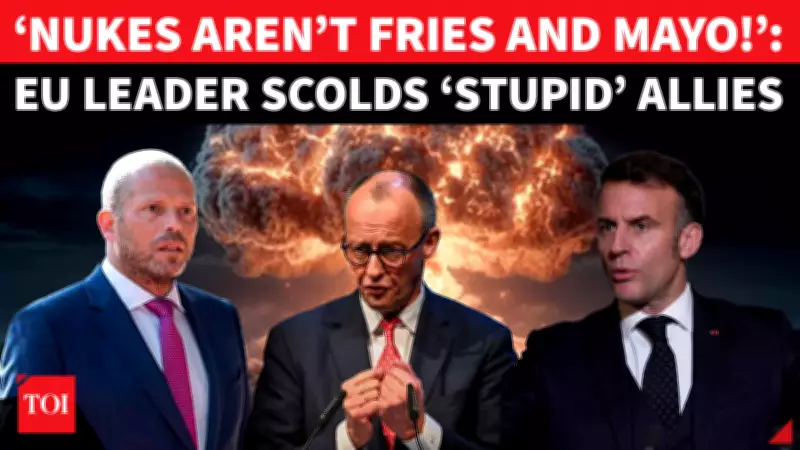
Belgium's Defense Minister Theo Francken has ignited a firestorm of controversy with his blunt directive to European leaders, urging them to "keep their mouth shut" about nuclear deterrence. In a stark warning, Francken emphasized that such sensitive strategic matters are "not fries and mayonnaise," highlighting the gravity of the ongoing discussions within NATO.
Escalating Debate Over Nuclear Strategy in Europe
The provocative comments from Francken come at a critical juncture as debate intensifies across Europe regarding nuclear strategy. This surge in discourse follows emerging signs that the United States may be considering a scale-back of its security commitments to the continent, a move that has sent shockwaves through allied nations.
With key European powers like Germany and Poland actively discussing various deterrence options and contingency plans, internal tensions within the NATO alliance are palpably rising. The situation has prompted urgent questions about the future of European security architecture and the role of nuclear weapons in it.

Behind the Scenes: Secret Nuclear Planning Against Russia
Reports indicate that behind closed doors, NATO members are engaged in secretive planning sessions focused on nuclear deterrence measures aimed at countering potential threats from Russia. This covert strategizing has added a layer of complexity to the public diplomatic exchanges, with Francken's outburst serving as a rare public glimpse into the high-stakes deliberations.
The Belgian minister's call for discretion underscores the delicate balance NATO must maintain between demonstrating resolve to adversaries and avoiding unnecessary escalation that could destabilize the already tense geopolitical landscape.
Wider Implications for NATO Unity and Global Security
This episode raises profound questions about the cohesion and strategic direction of the NATO alliance in an era of renewed great power competition. As European nations grapple with the possibility of reduced American military guarantees, the debate over nuclear sharing, modernization of arsenals, and independent deterrence capabilities is expected to intensify further.
Observers note that Francken's remarks, while undiplomatic, reflect genuine concerns among some NATO members about loose talk compromising operational security and diplomatic efforts. The coming months will likely see continued friction between advocates for transparency in defense planning and those who prioritize secrecy in sensitive military matters.
The fundamental question remains: Is Europe on the brink of a new nuclear arms debate that could reshape continental security dynamics for decades to come? With Russia's nuclear posture remaining assertive and U.S. commitments uncertain, NATO finds itself at a pivotal crossroads that demands careful navigation.