

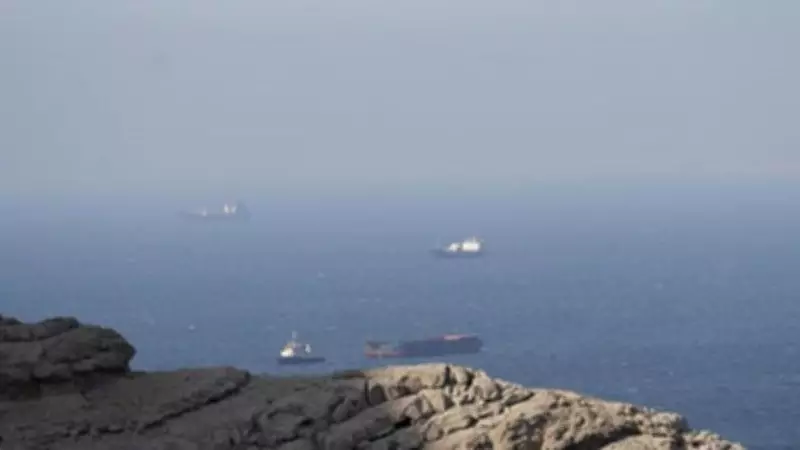
The Strait and Narrow Path: A Geopolitical Crossroads
In the complex tapestry of global affairs, few regions hold as much strategic significance as the Strait of Hormuz. This narrow maritime passage, connecting the Persian Gulf to the Gulf of Oman, serves as a vital artery for international trade and energy flows. The recent geopolitical tensions in this area have underscored its critical role, prompting a reevaluation of security and economic strategies worldwide.
A Chokepoint of Global Commerce
The Strait of Hormuz is often described as the world's most important oil transit chokepoint. Approximately one-fifth of the global oil supply passes through this narrow waterway daily. This includes significant volumes from major producers such as Saudi Arabia, Iran, the United Arab Emirates, and Kuwait. The reliance on this route makes it a focal point for energy security concerns, with any disruption having far-reaching implications for global markets.
Economic Vulnerabilities and Strategic Dependencies

The economic vulnerabilities associated with the Strait of Hormuz are profound. Countries across Asia, Europe, and North America depend heavily on the uninterrupted flow of oil and liquefied natural gas (LNG) through this passage. A blockade or conflict in the region could trigger sharp price spikes, supply shortages, and economic instability. This dependency has led nations to explore alternative energy sources and diversify their supply chains, but the immediate risks remain high.
Geopolitical Tensions and Security Challenges
The strategic importance of the Strait of Hormuz has made it a hotspot for geopolitical rivalries. Regional powers, including Iran and its neighbors, vie for influence, while global actors like the United States and China deploy naval assets to safeguard their interests. Incidents such as tanker seizures, drone attacks, and military standoffs have heightened tensions, raising the specter of broader conflict.
Diplomatic Efforts and Conflict Resolution
Efforts to mitigate these tensions involve complex diplomatic maneuvers. International forums and bilateral negotiations aim to de-escalate conflicts and establish maritime security frameworks. However, the narrow path to peace is fraught with challenges, including historical animosities, competing territorial claims, and the broader context of Middle Eastern politics.
Implications for Global Trade and Stability
Beyond energy, the Strait of Hormuz is crucial for global trade in goods such as electronics, machinery, and agricultural products. Disruptions here can ripple through supply chains, affecting industries worldwide. The stability of this region is thus integral to the smooth functioning of the global economy.
Strategic Responses and Future Outlook
In response to these challenges, nations are adopting various strategies:
- Military Presence: Increased naval patrols and alliances to ensure safe passage.
- Economic Diversification: Investing in renewable energy and alternative trade routes.
- Diplomatic Engagement: Strengthening international cooperation and conflict resolution mechanisms.
The future of the Strait of Hormuz hinges on balancing these approaches. While the path forward may be narrow, proactive measures can help navigate the complexities and reduce the risk of escalation. As global dynamics evolve, the strategic imperative to secure this vital waterway remains paramount.






