

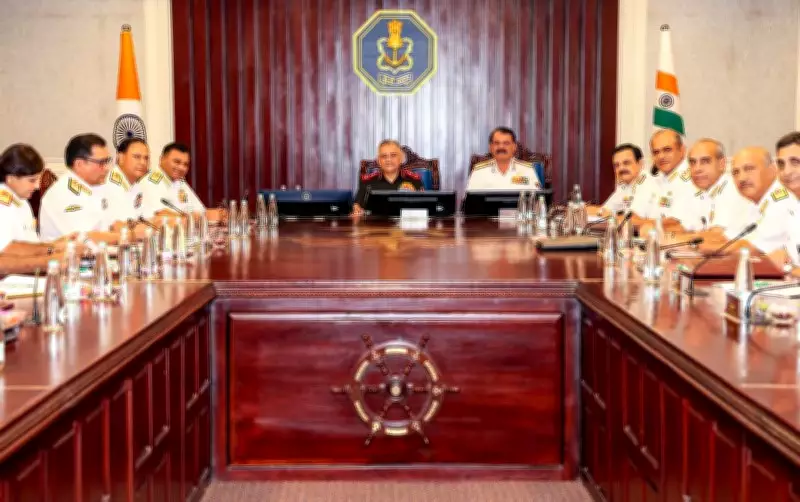
Navy Chief Stresses Global Security Links Amid West Asia Tensions
Indian Navy Chief Admiral Dinesh Tripathi has issued a stark warning, asserting that geographical distance does not provide immunity from the far-reaching effects of the ongoing conflict in West Asia. In a recent address, he underscored the interconnected nature of modern global security, where regional instability can swiftly escalate into broader international crises.
Key Points from Admiral Tripathi's Statement
Admiral Tripathi highlighted several critical aspects:
- Global Interdependence: He pointed out that in today's world, conflicts in one region can disrupt trade routes, energy supplies, and maritime security worldwide, affecting even distant nations like India.
- Maritime Security Concerns: The Navy Chief emphasized the vulnerability of sea lanes in the region, which are vital for global commerce, and how disruptions could lead to economic and strategic repercussions far beyond West Asia.
- Need for Vigilance: Tripathi called for heightened preparedness and cooperation among nations to mitigate risks, stressing that complacency based on distance is a dangerous misconception.
Implications for India and the World
The remarks come amid escalating tensions in West Asia, involving multiple state and non-state actors. Admiral Tripathi's warning serves as a reminder that:

- India, despite its geographical separation, remains exposed to potential spillover effects, such as terrorism, refugee flows, or economic shocks.
- International security frameworks must adapt to address transnational threats that defy traditional boundaries.
- Proactive diplomatic and military strategies are essential to safeguard national interests in an unstable global environment.
This statement aligns with broader Indian defense policies focusing on maritime dominance and regional stability, as the Navy plays a pivotal role in securing India's interests in the Indian Ocean and beyond.






